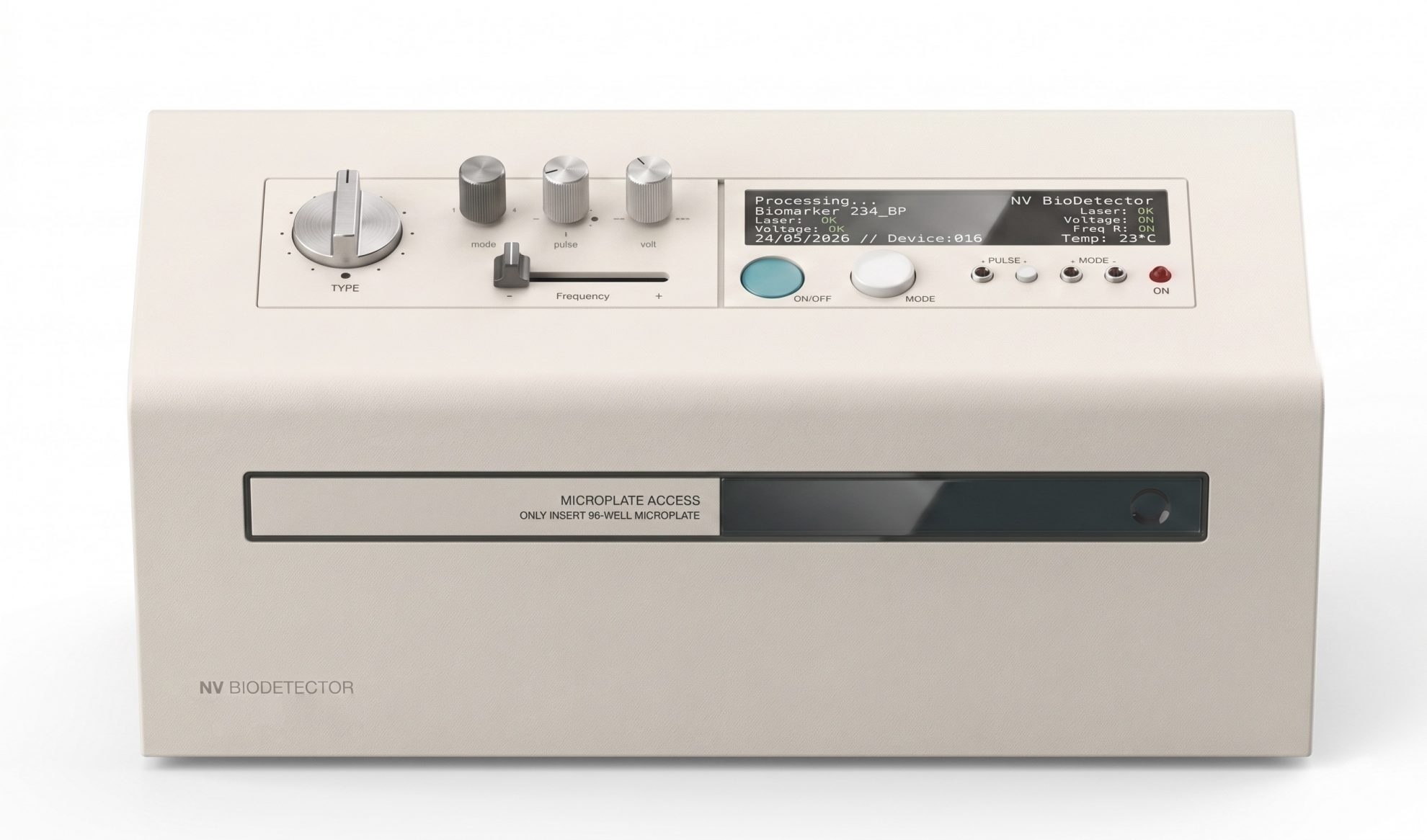
NV Biodetector
POC Device for Rapid Biomarker-Based Diagnosis.
Strategic and Industrial Design
Client: QuaNVia SL (Startup)
Challenge
QuaNVia is an award-winning healthtech startup, born as a spin-off from the University of the Basque Country and recognised with the Innovative SME Seal by Spain’s Ministry of Science and Innovation. Its core technology uses quantum sensors embedded in diamonds (NV Centers), to detect biomarkers in biological fluid samples with unprecedented precision, identifying pathologies non-invasively, at the point of care, before they become clinically visible.
I joined the project after winning a competitive service tender issued through the Parque Científico de Madrid (FPCM), one of Spain’s leading science and technology parks, which selected me to lead the strategic and design consultancy for the project.
Rapid and accurate pathology diagnosis remains a bottleneck in clinical and laboratory settings. Conventional methods involve lengthy protocols, invasive samples: blood, urine, stool, and waiting times that delay medical decision-making. QuaNVia’s technology opens a new diagnostic pathway through minimally invasive biological samples, including tears, with potential applications across a broad spectrum of conditions: from neurodegenerative diseases such as Alzheimer’s, to dry eye syndrome, inflammatory conditions and beyond.
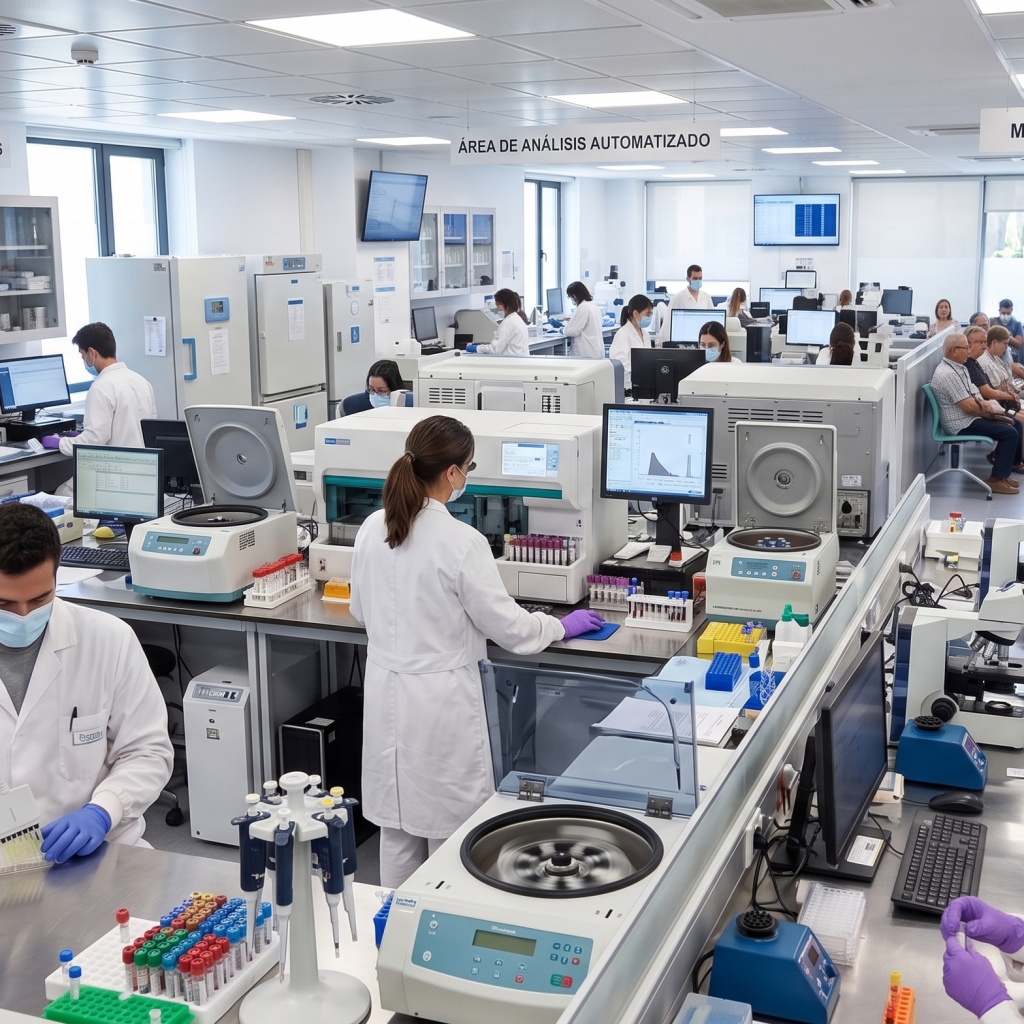
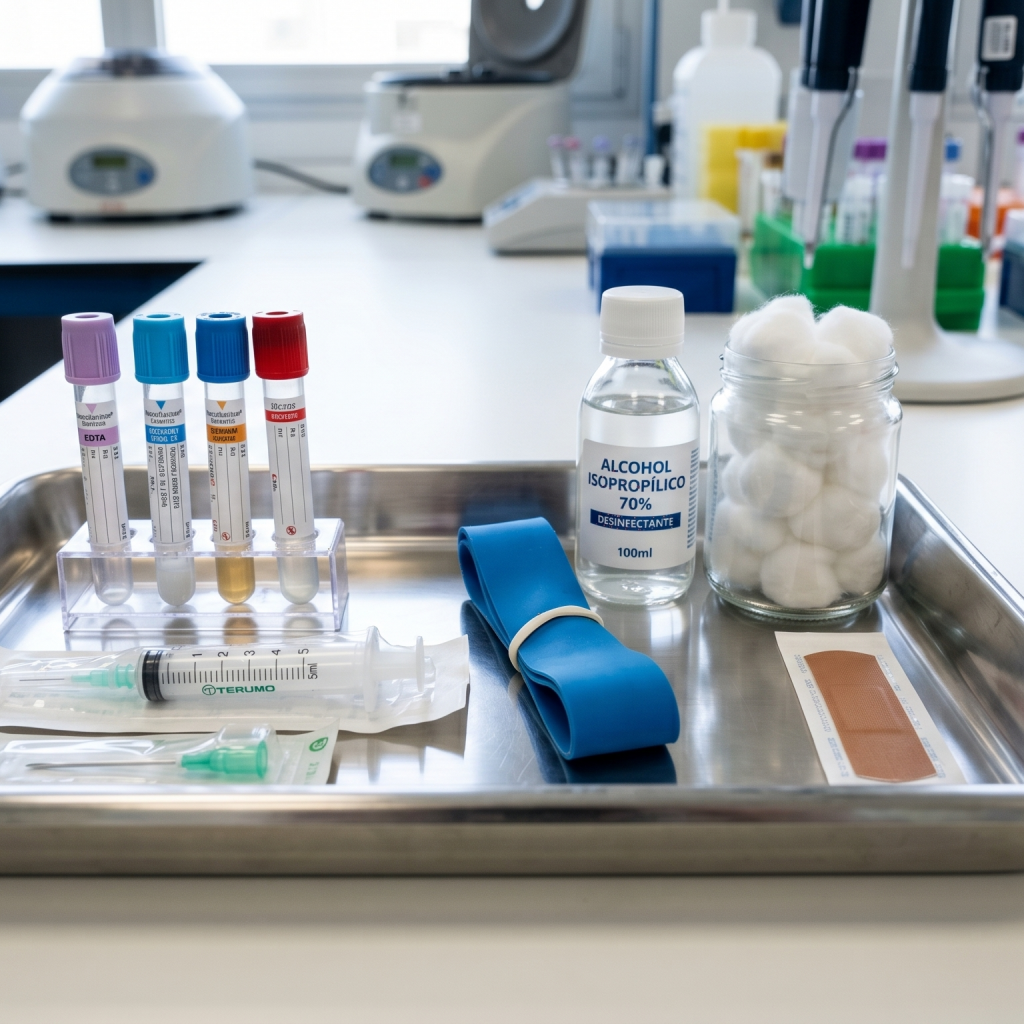
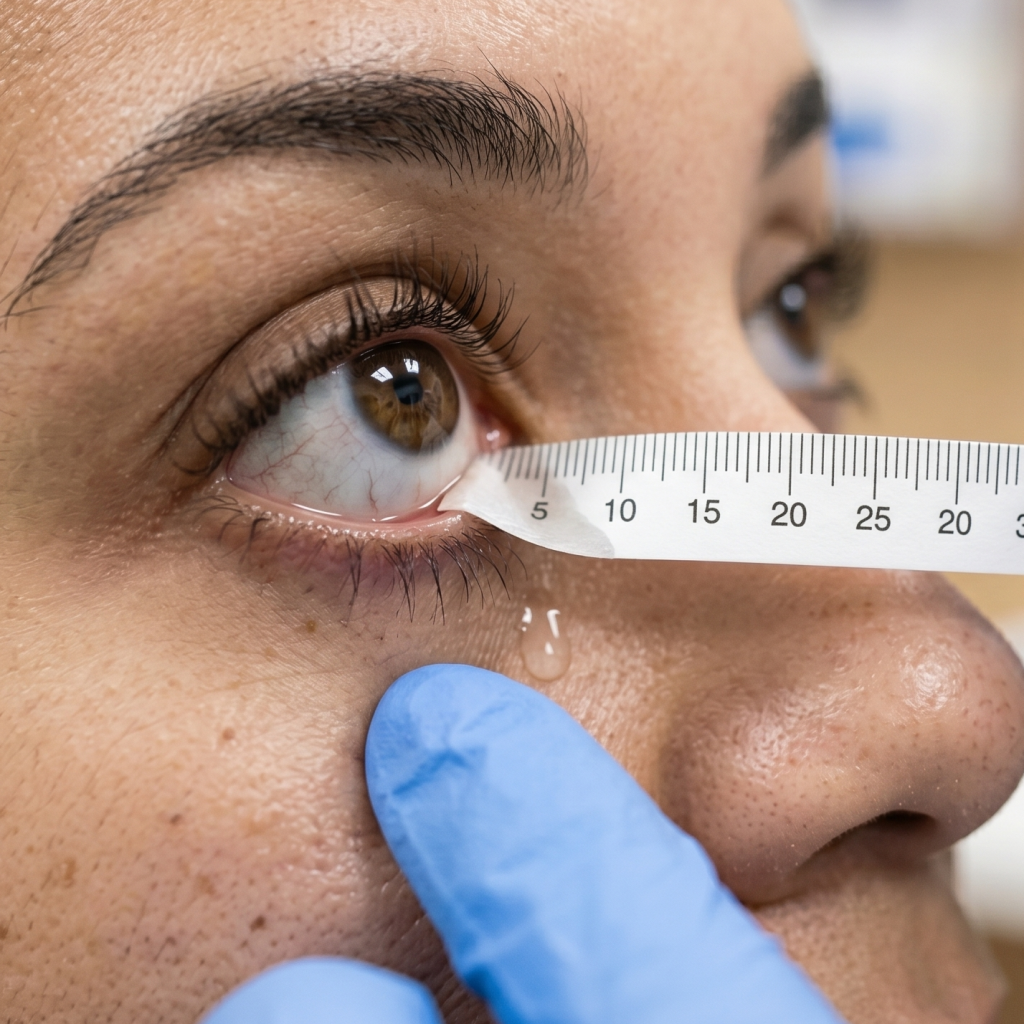
The challenge was to design a compact, accessible, high-precision device capable of operating at the Point of Care (POC), minimising patient discomfort and reducing operational complexity for the laboratory.
Findings
To validate the concept, an in-depth niche market study was conducted, reaching out to dozens of laboratories and medical specialists and gathering high-value feedback that shaped both design decisions and product strategy. The results confirmed a real, unmet demand for fast, precise and minimally invasive diagnostic solutions.
Quantum technology applied to biomarker detection can achieve accuracy rates of between 90 and 95% within minutes, using minimally invasive biological samples. The use of tears as a primary sample opens a virtually unexplored diagnostic pathway, with potential in medicine.
The key was translating this technology into a physical device that was viable, compact, hermetic and adaptable to different use environments.
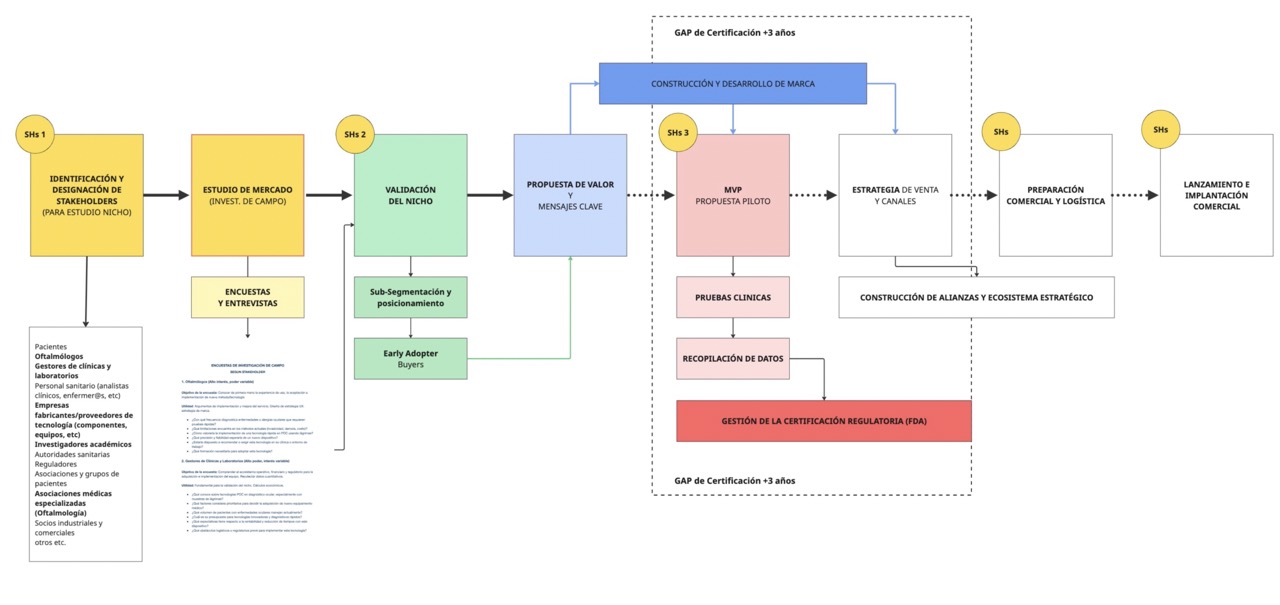
Following the project, QuaNVia engaged me to develop the go-to-market strategy and the global design of this project, consolidating a comprehensive collaboration spanning from product and UX design to market positioning.
Solution: NV Biodetector
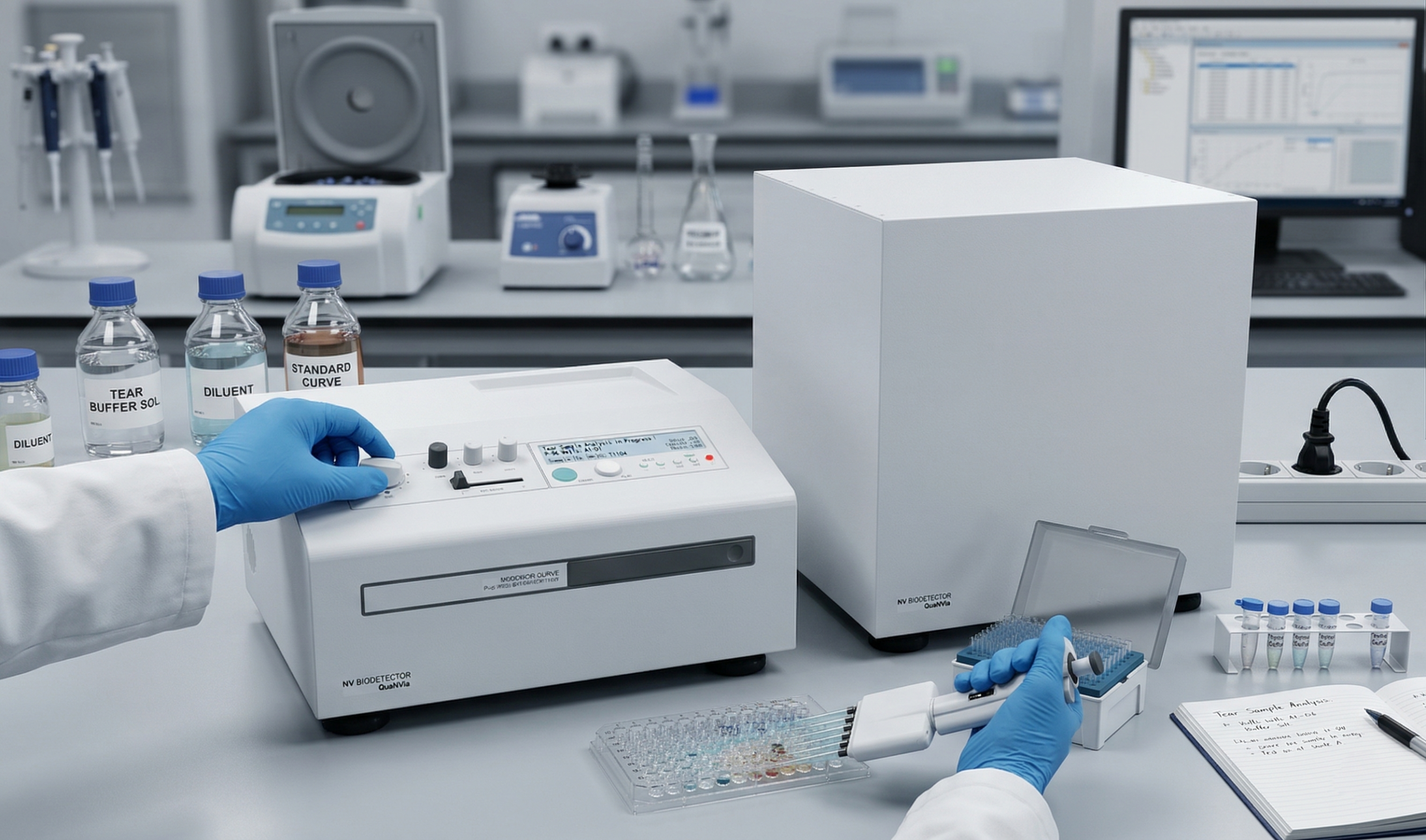
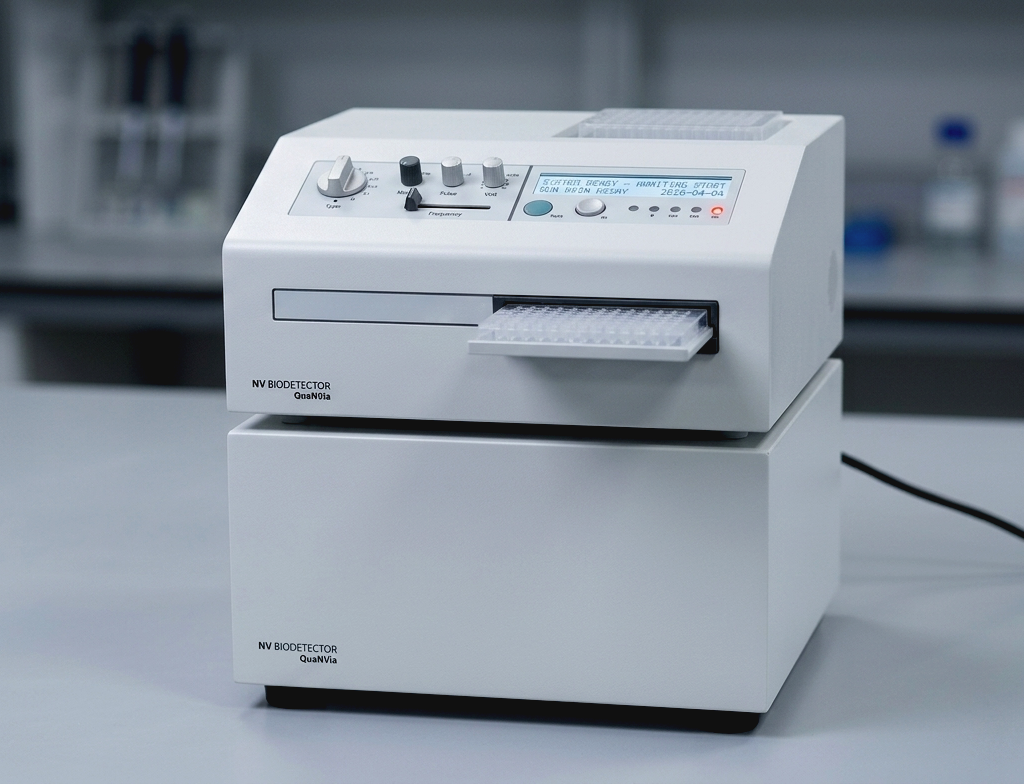
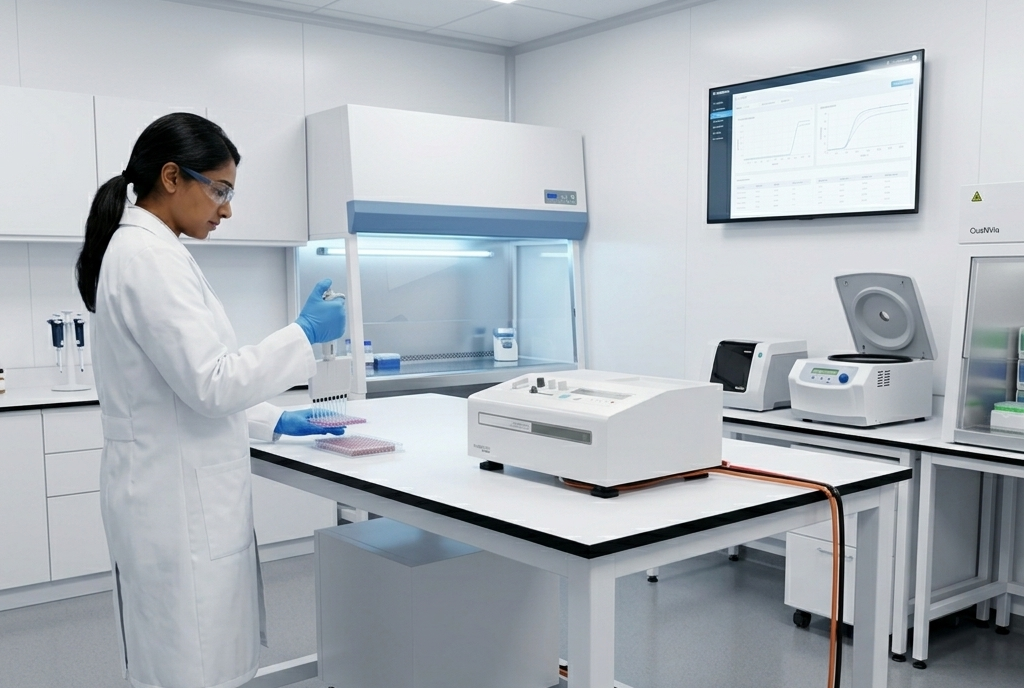
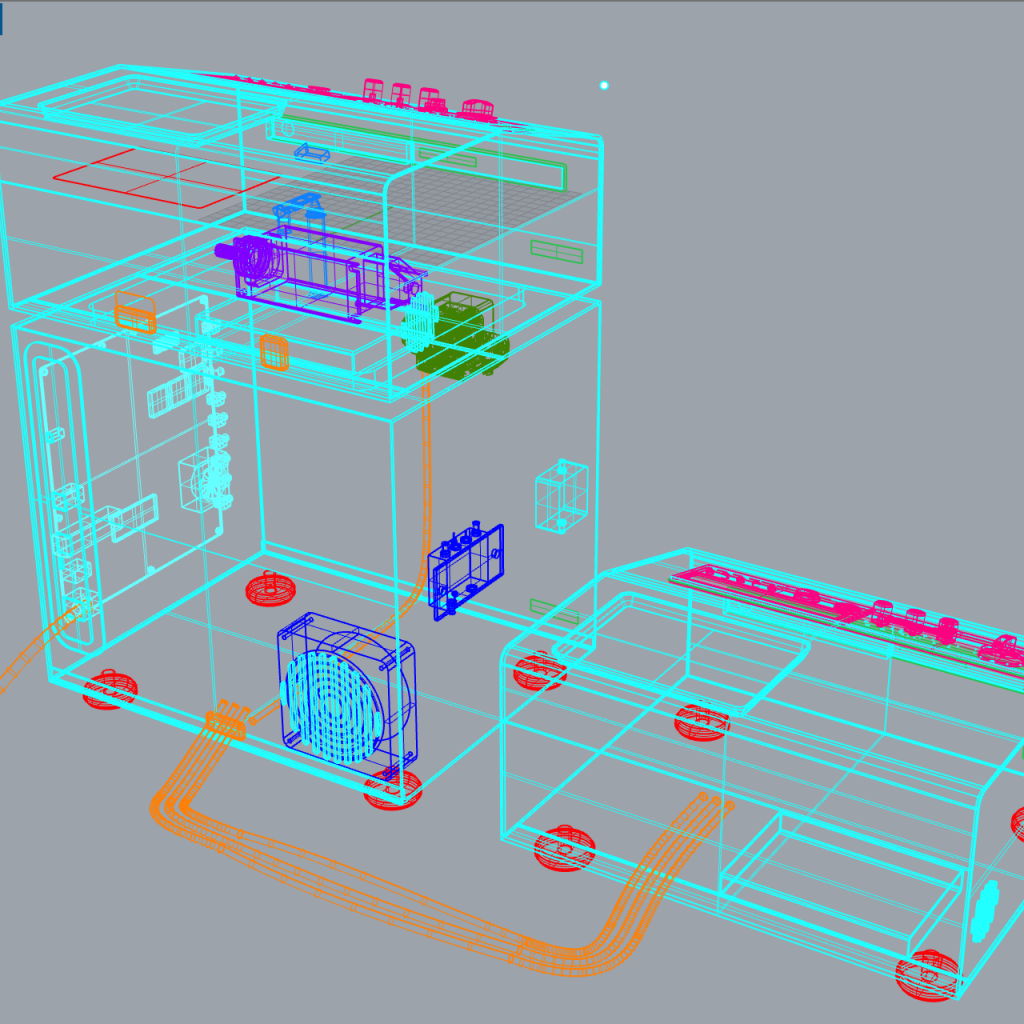
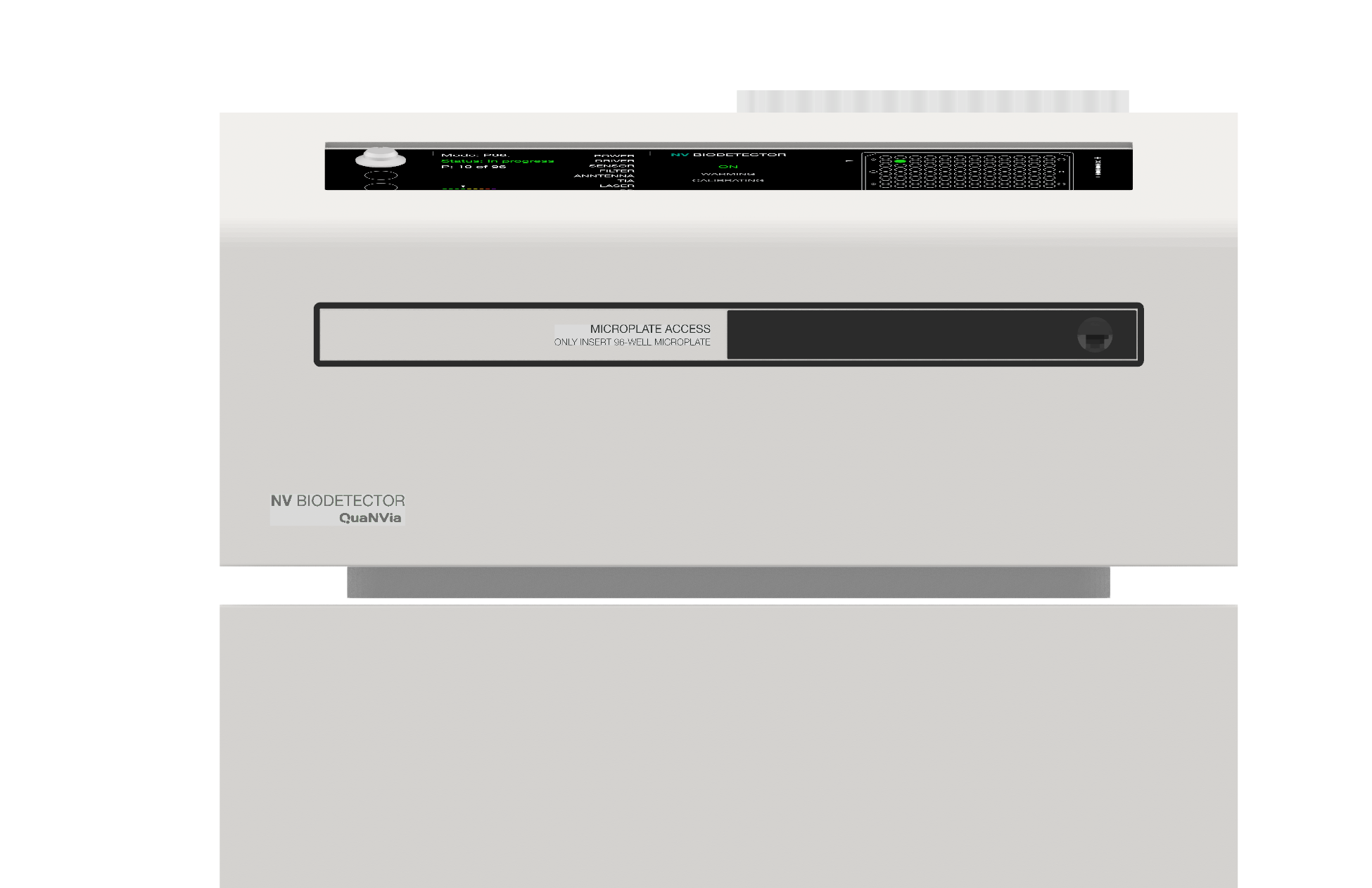
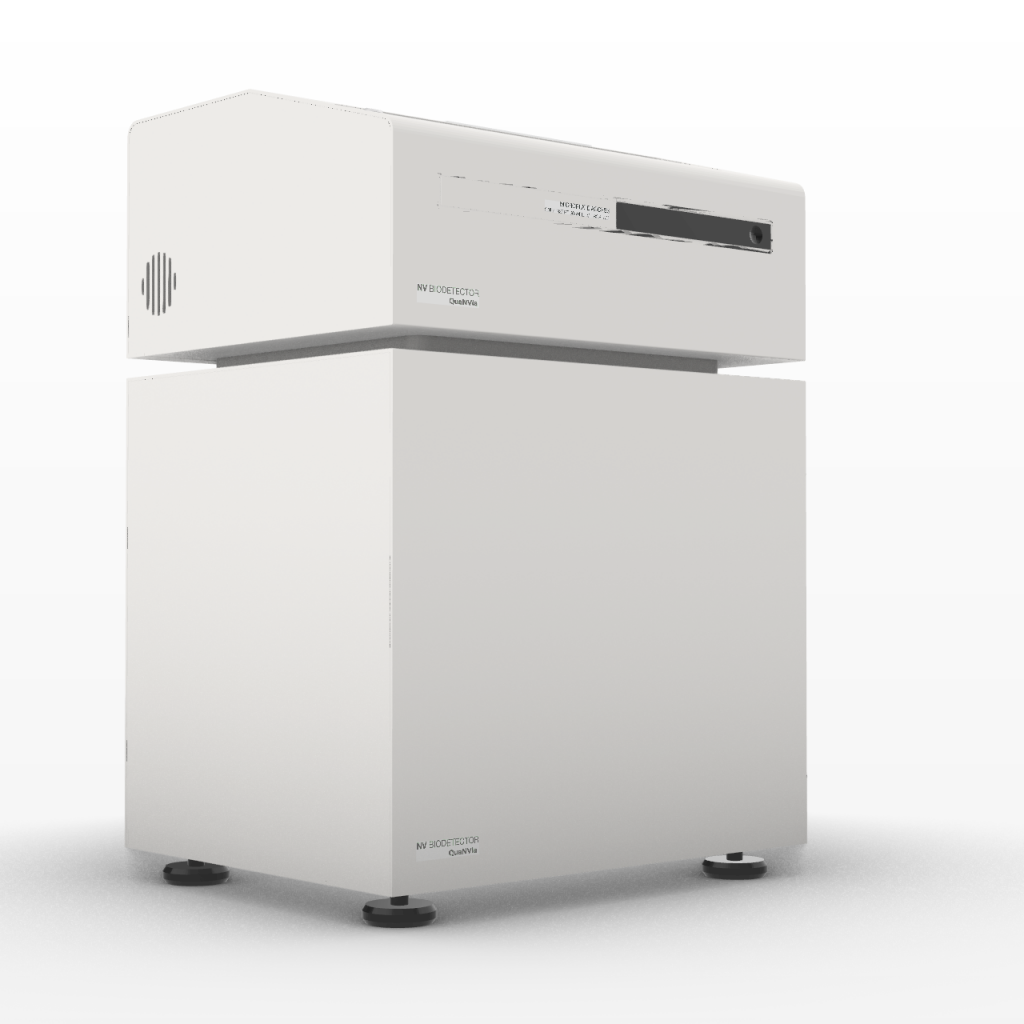
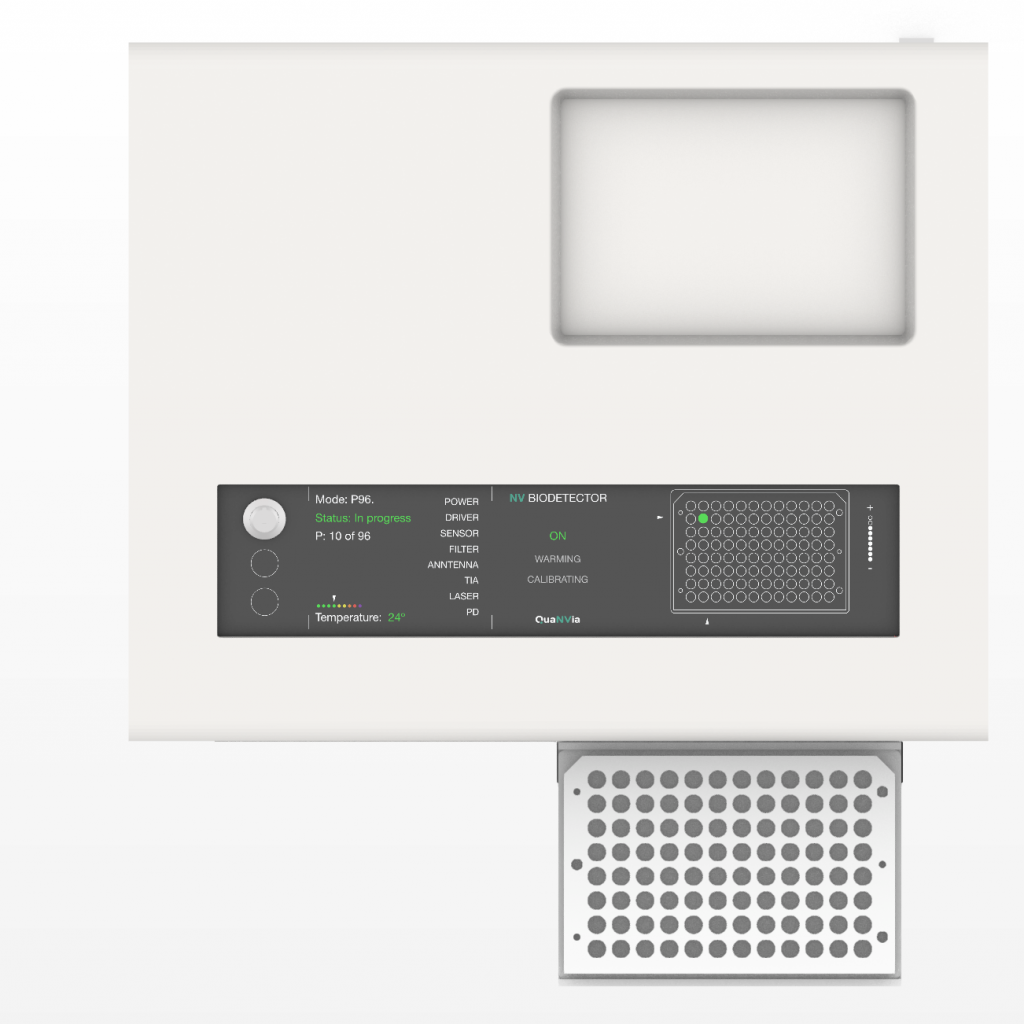
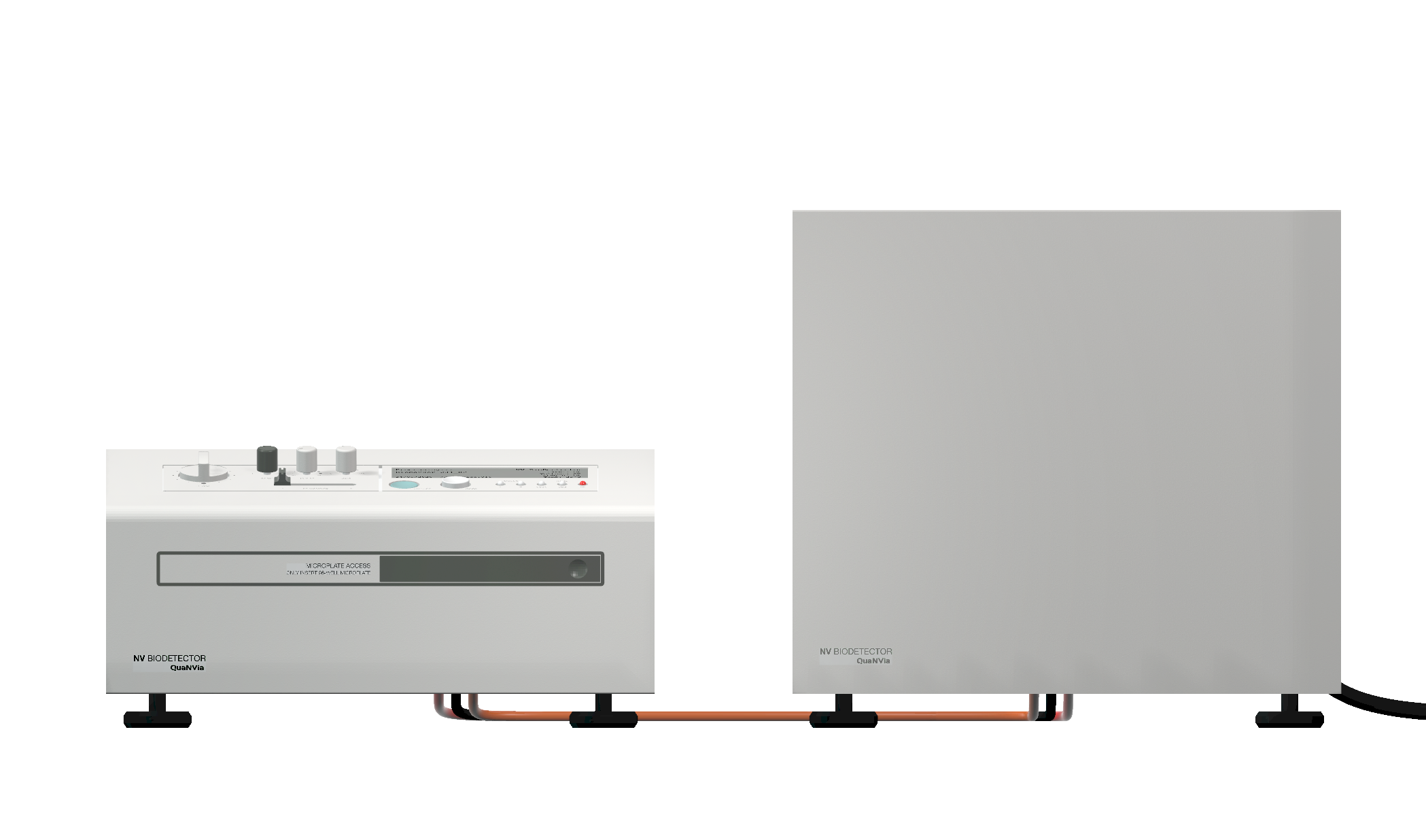
The NV Biodetector is an MVP that operates with P96 microplates inserted through the front slot of the scanner and configured according to the required analysis. The device is built around two independent modules: the base, housing the power, light and processing components; and the measurement module, self-contained and repositionable to suit the laboratory’s needs.
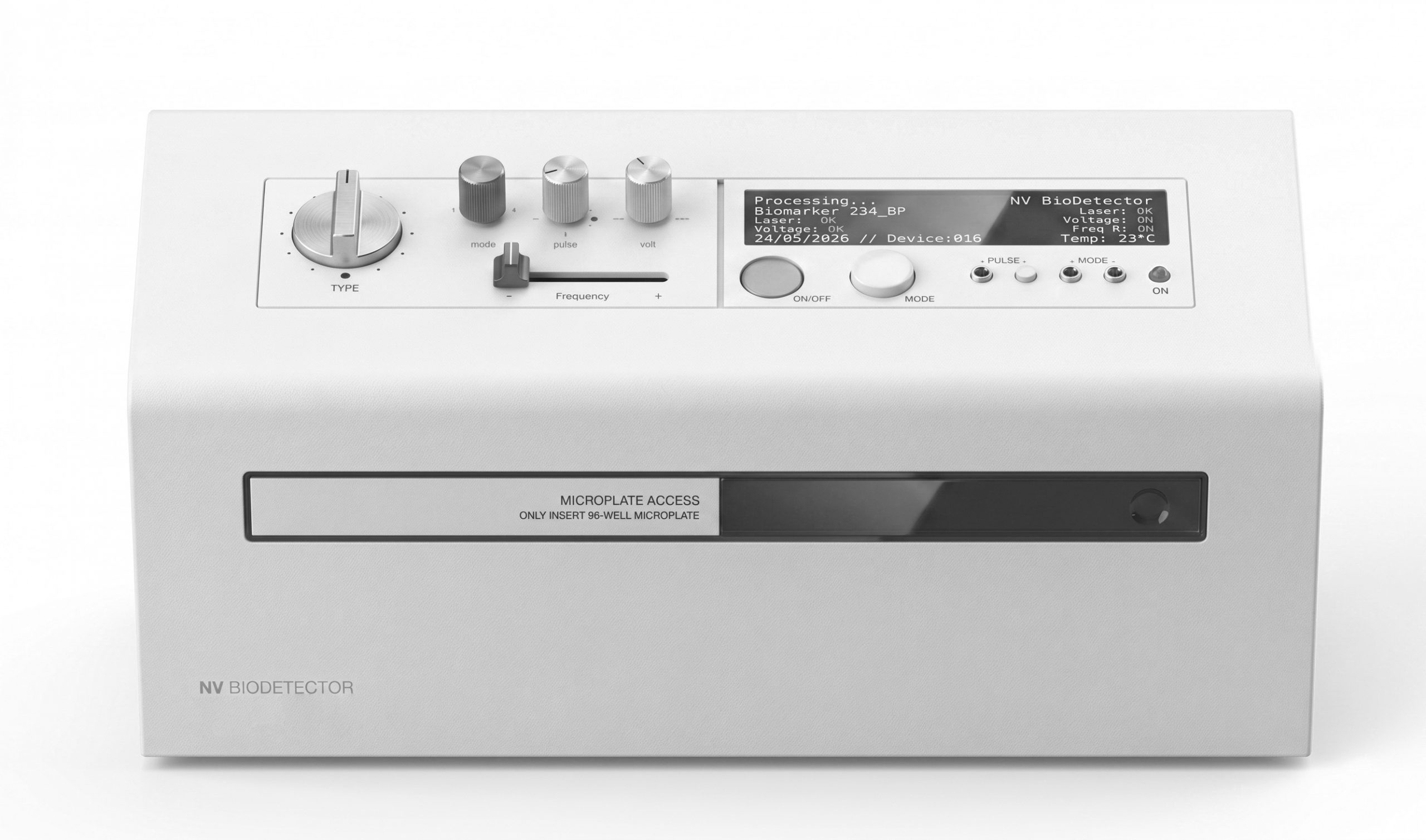
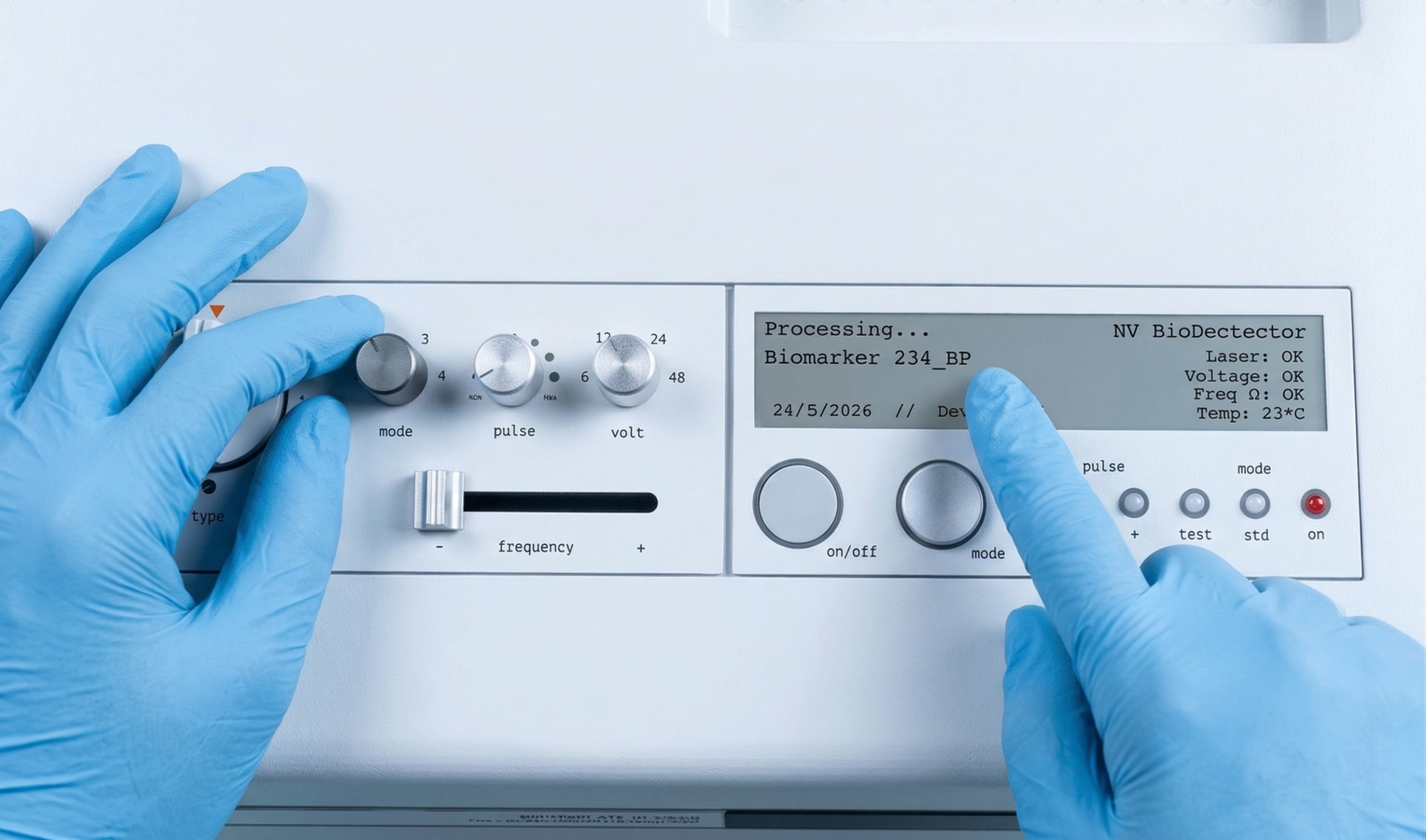
Aesthetically, the NV Biodetector has a distinctive visual identity suited to the clinical environment: a cream base with accents in grey, aquamarine green and orange. Inspired by the experience and mastery of interface usability practiced by Dieter Rams, this device incorporates a series of controls, buttons, and a highly intuitive and empathetic “analog” display. Ideal for the context in which we work.
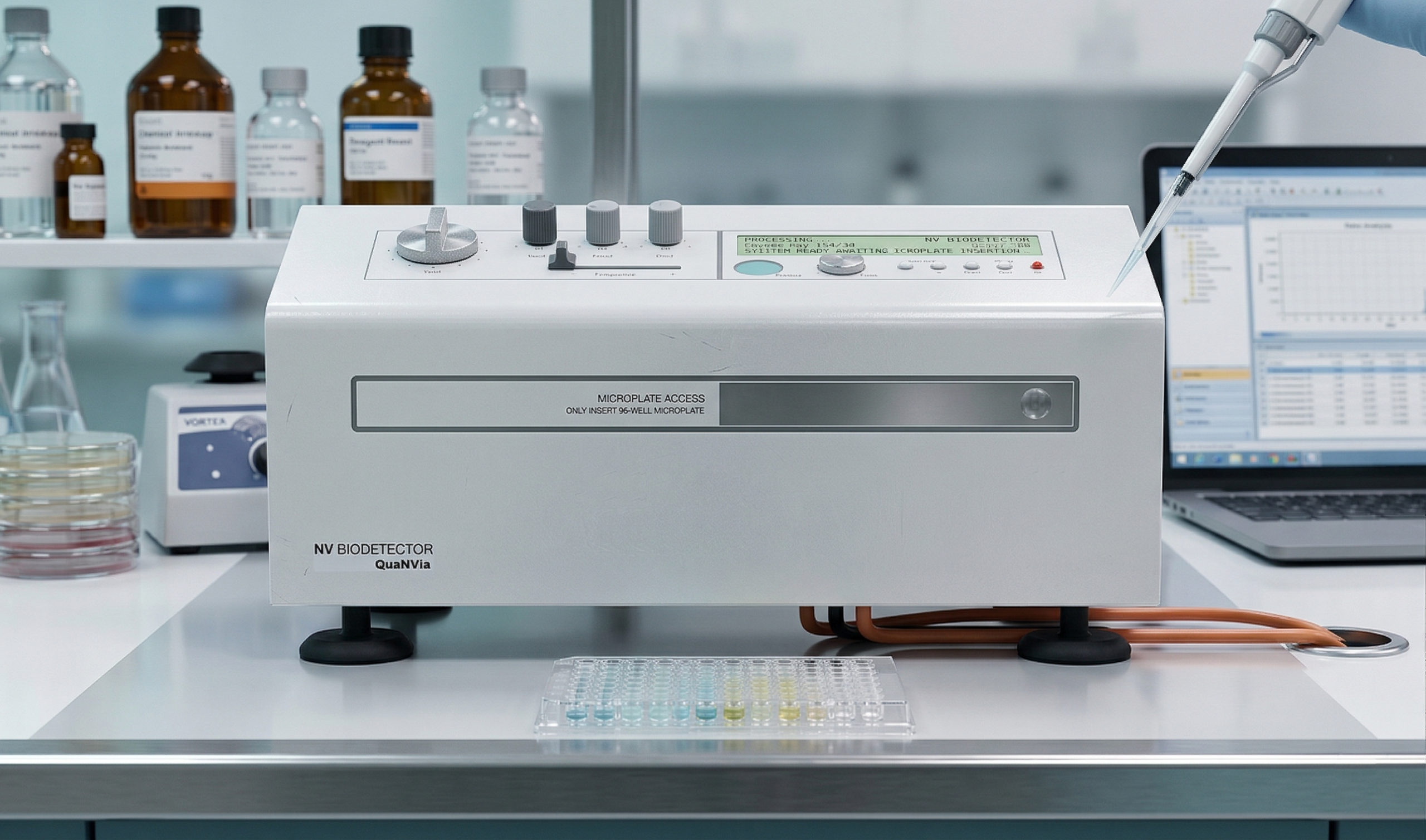
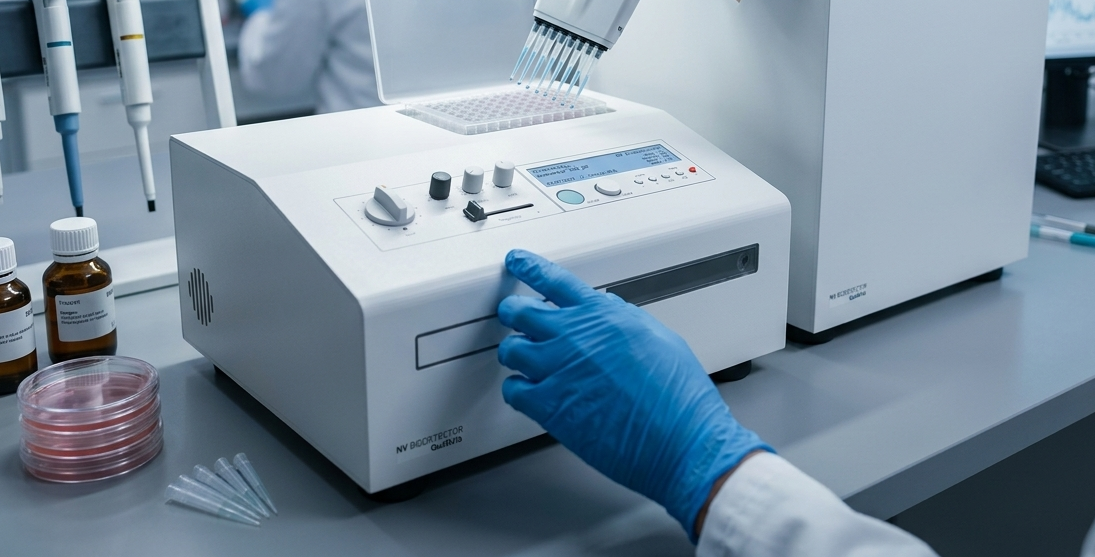
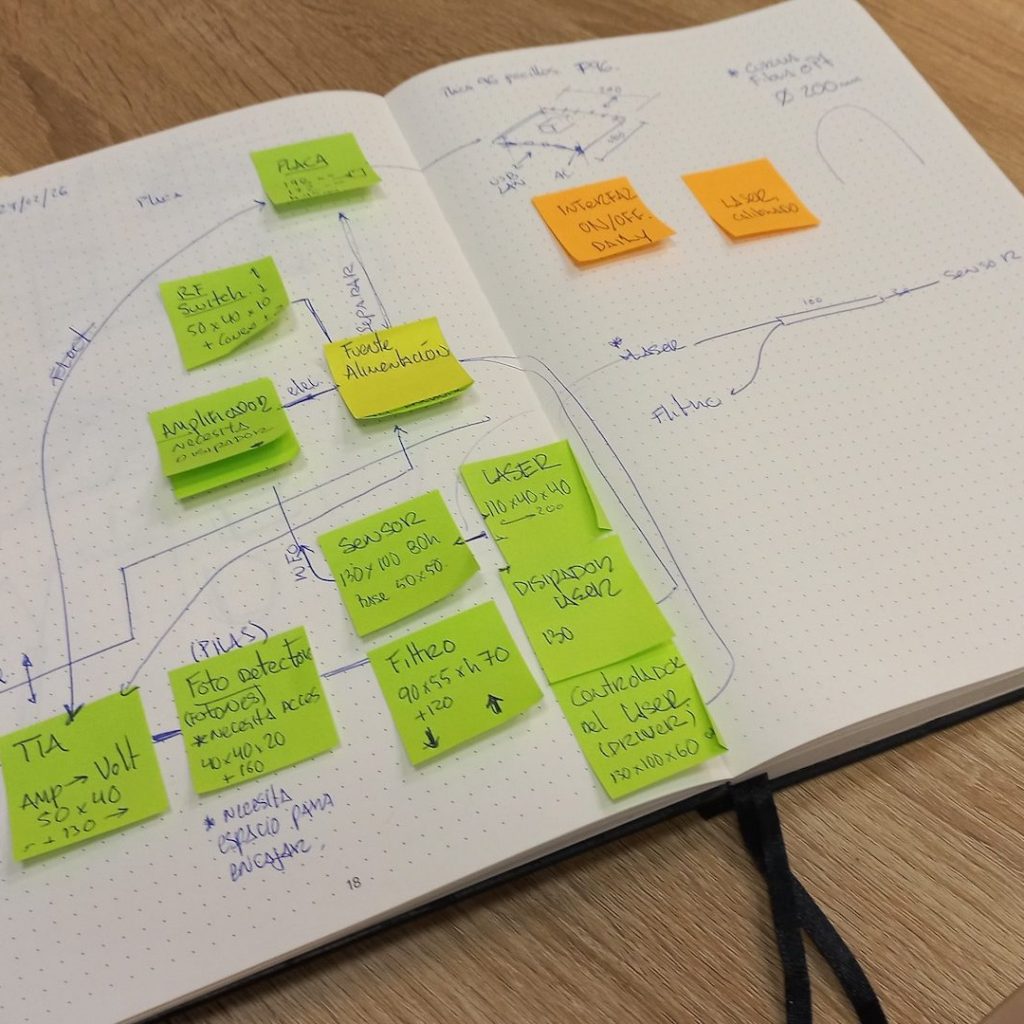
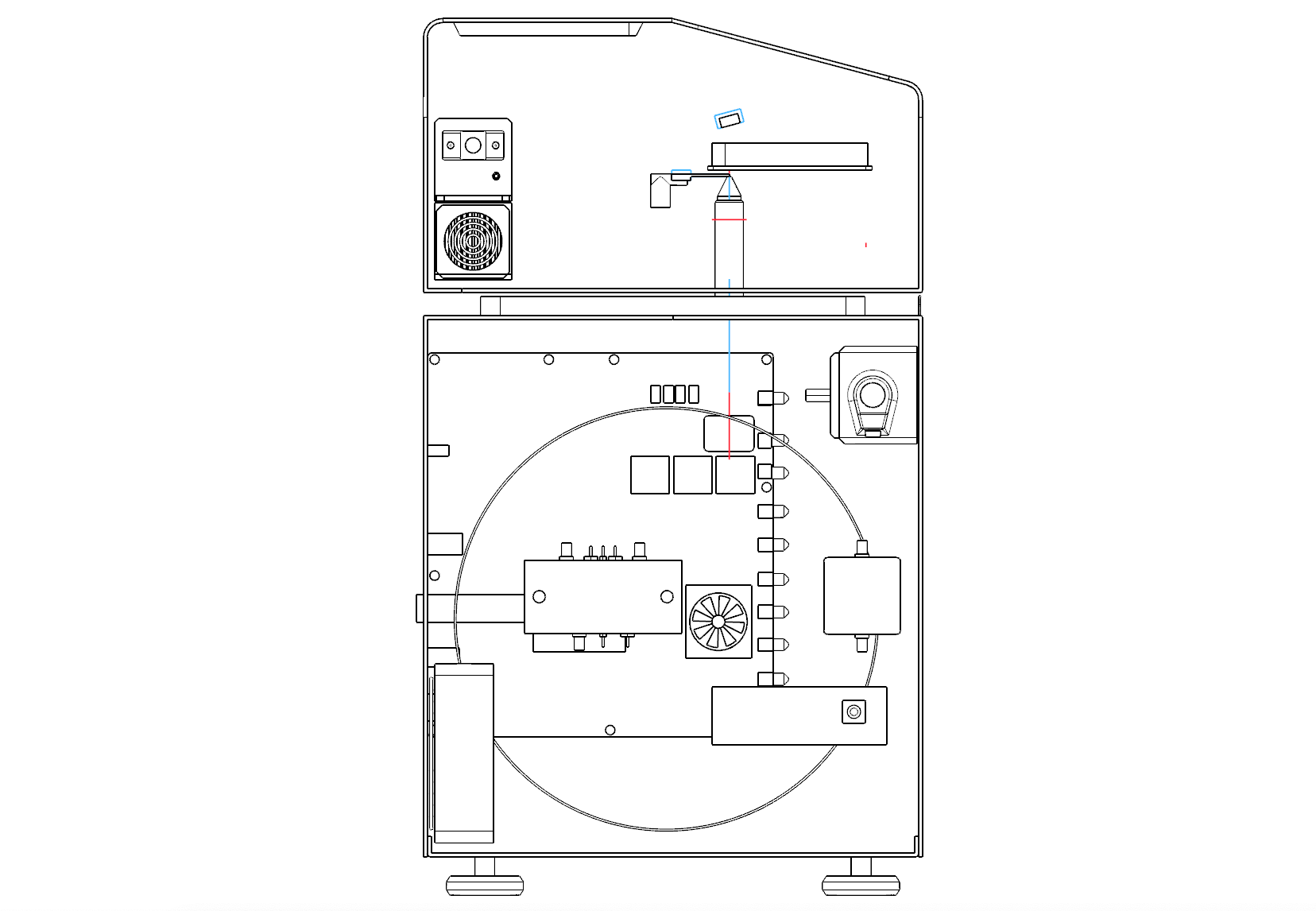
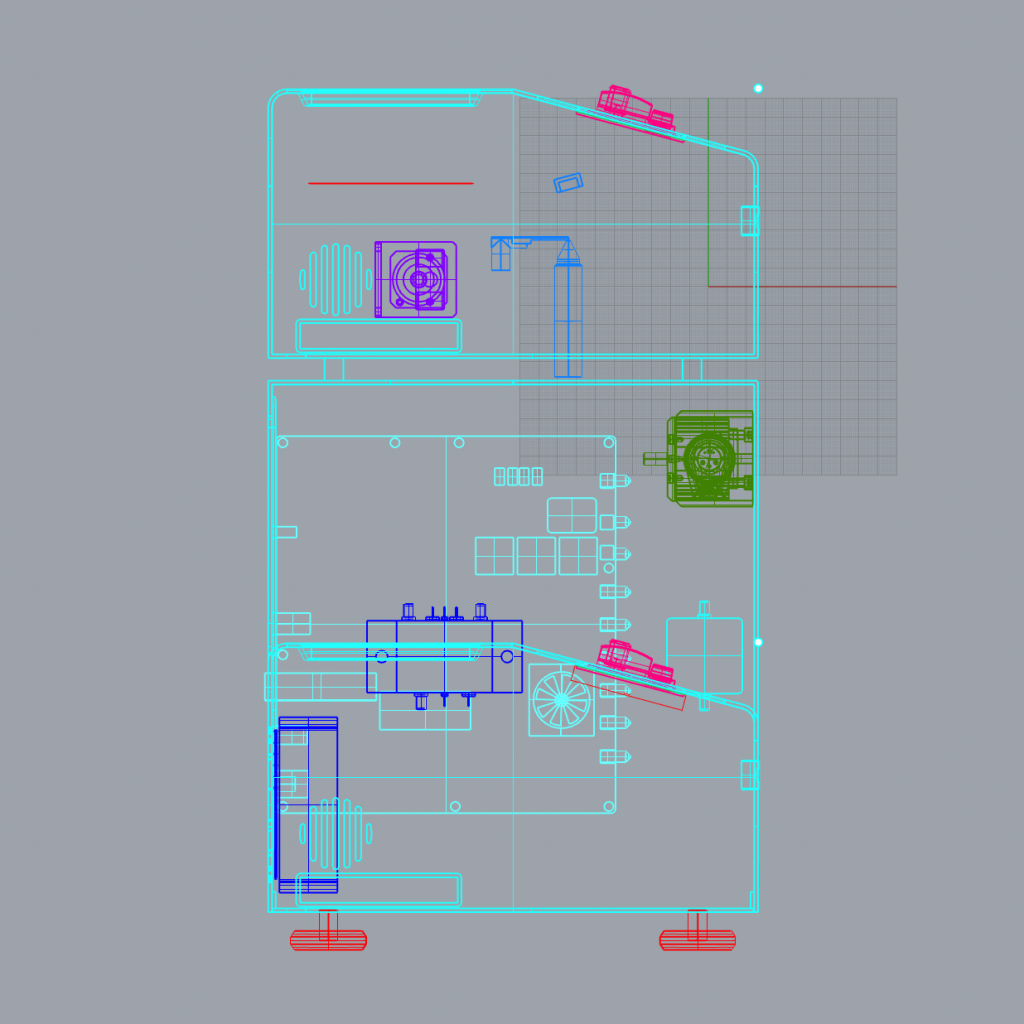
Formally and structurally, the design stems from the optimal arrangement of all internal components, accounting for operating temperatures, clearances and access points for maintenance and calibration. The core functional premises were to compact the assembly, ensure hermeticity given the technology involved, and provide the measurement module with versatile positioning.
Two versions were developed:
- Digital: 25 × 6 cm touchscreen displaying real-time data from the analysed well, including temperature, elapsed time and key parameters.
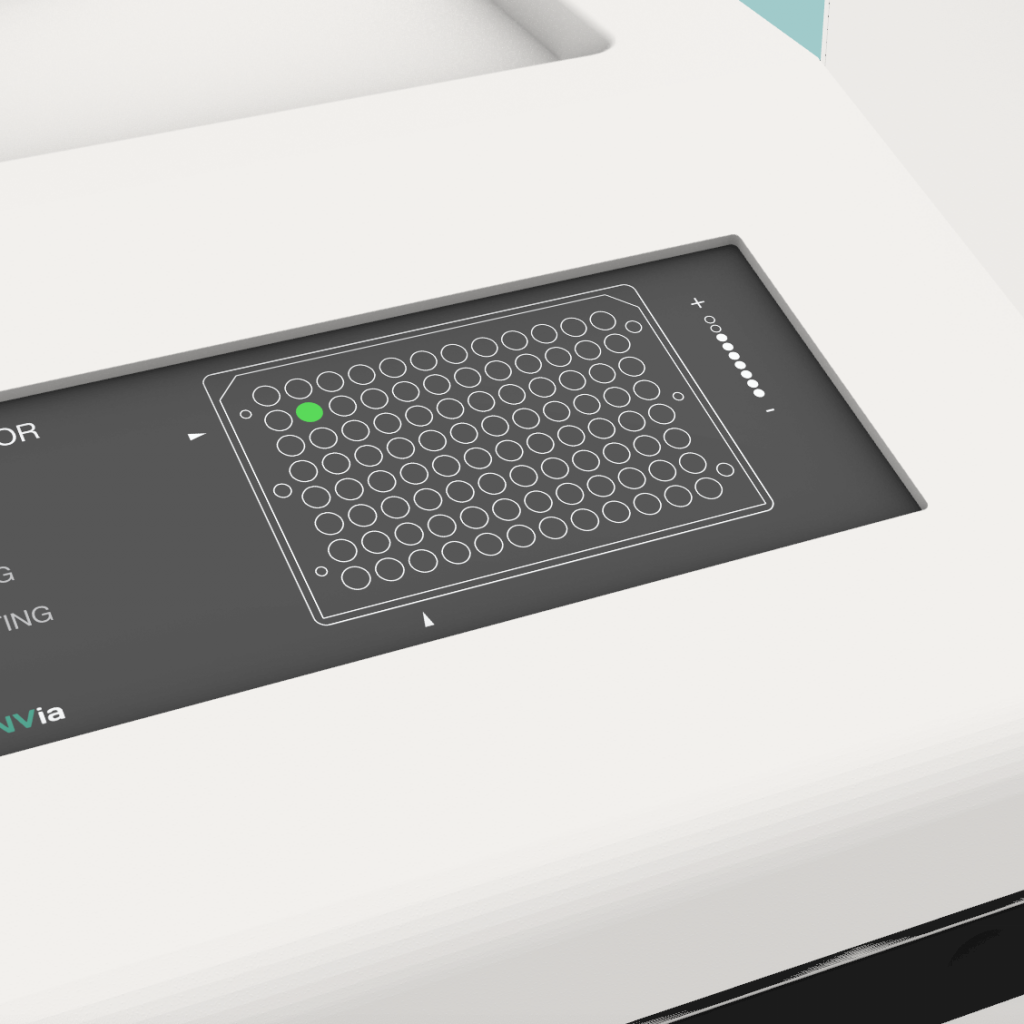
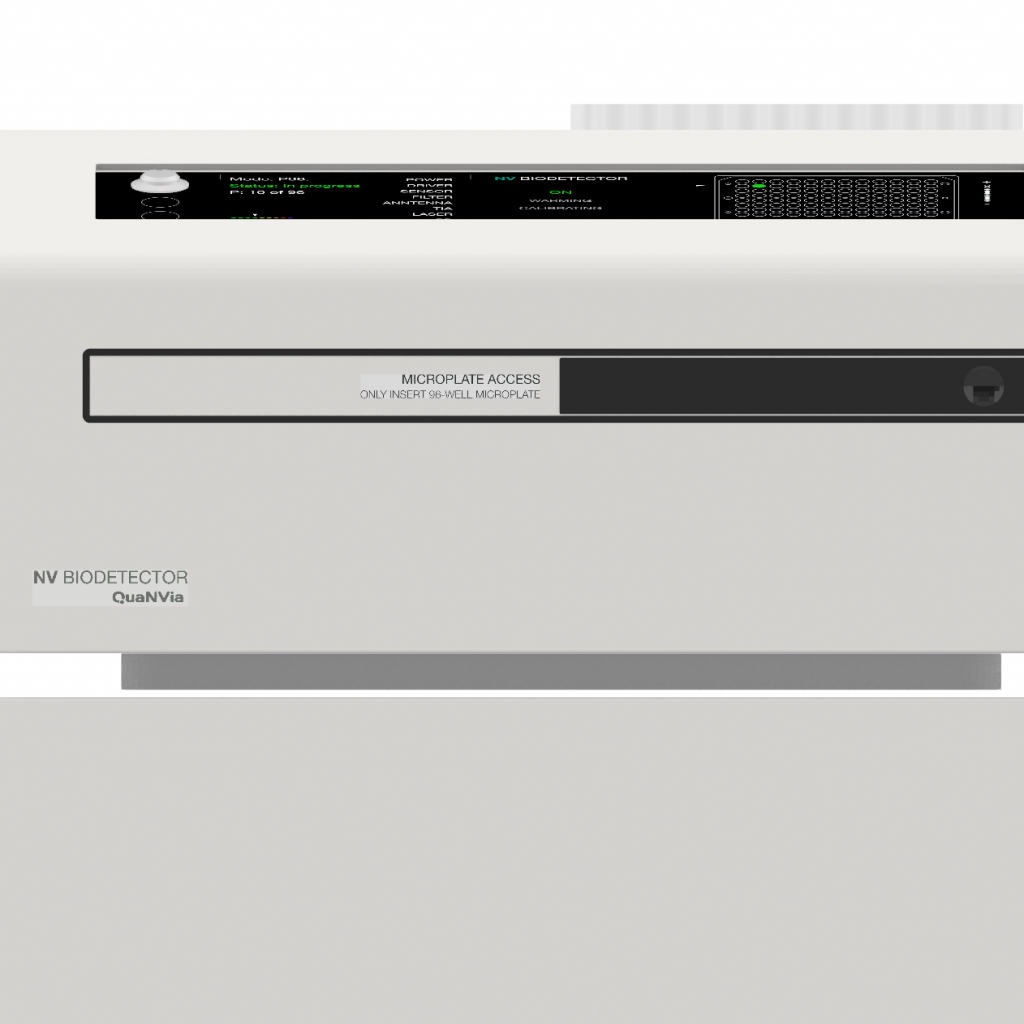
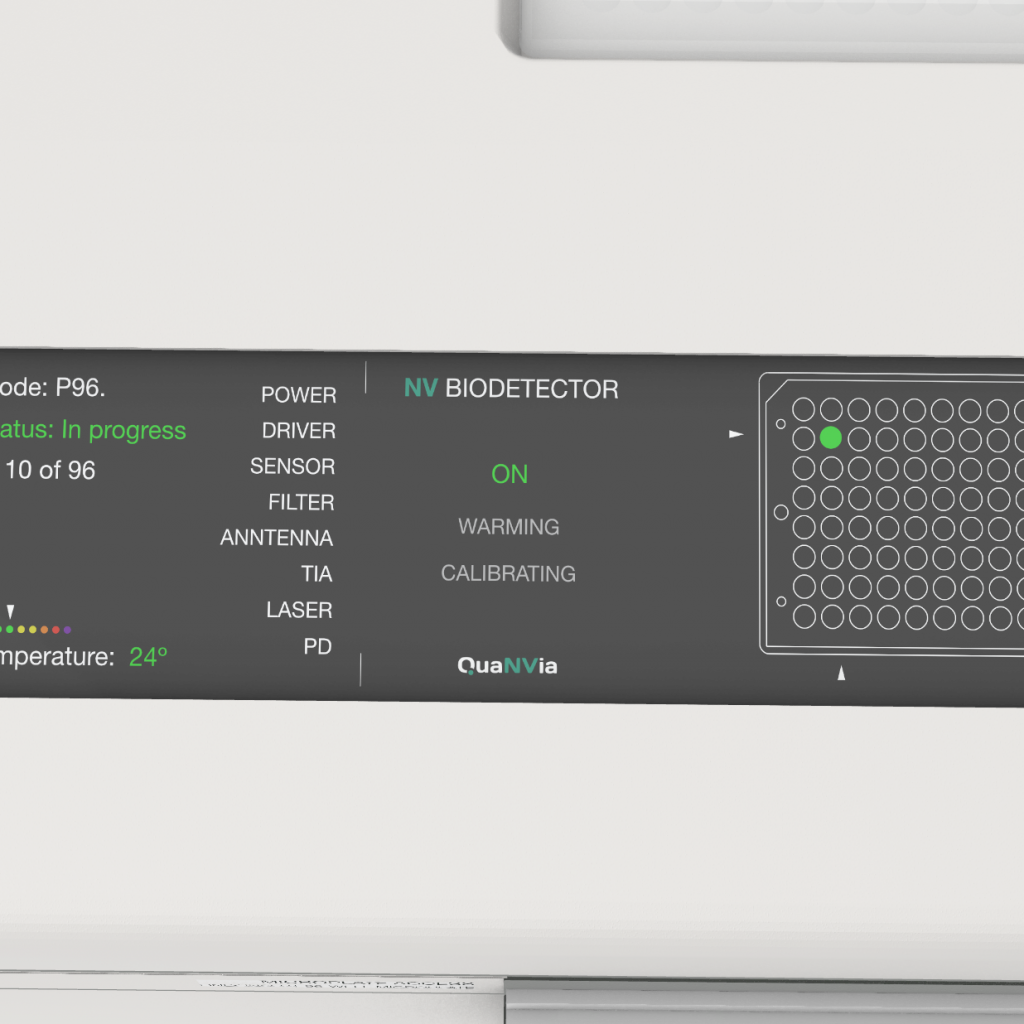
- Analogue: physical control panel of the same dimensions with a crystal display and manual operation via buttons and dials.
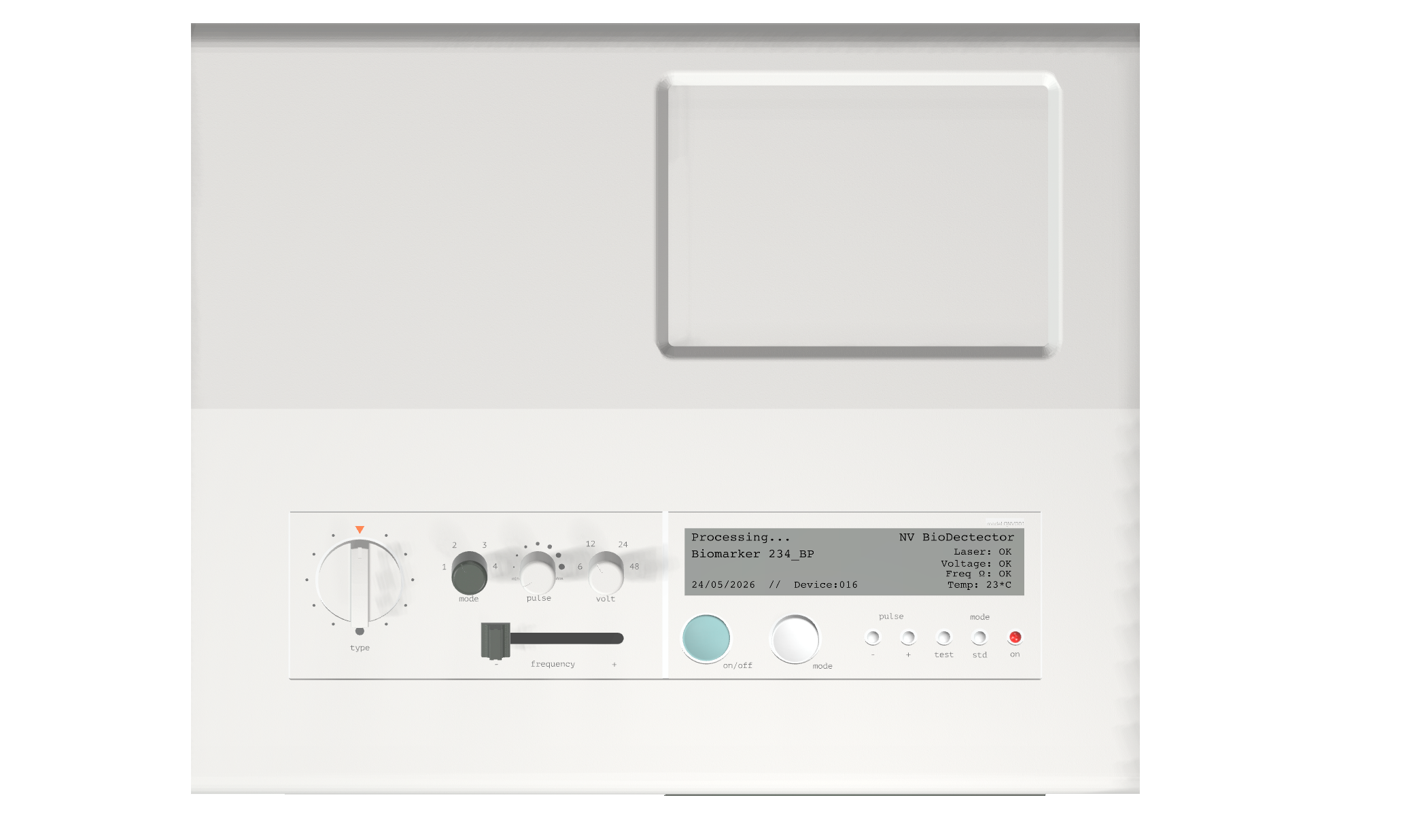
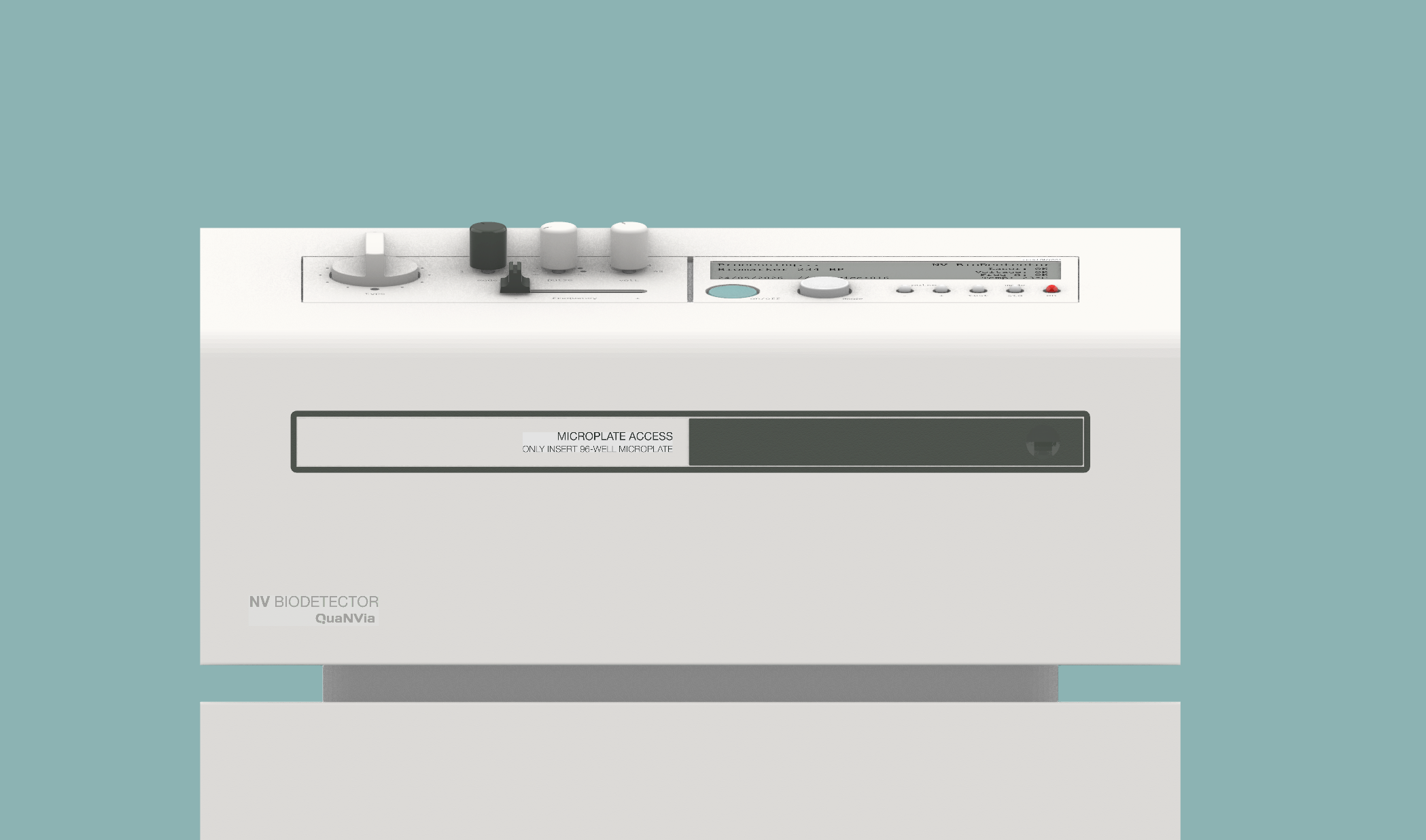
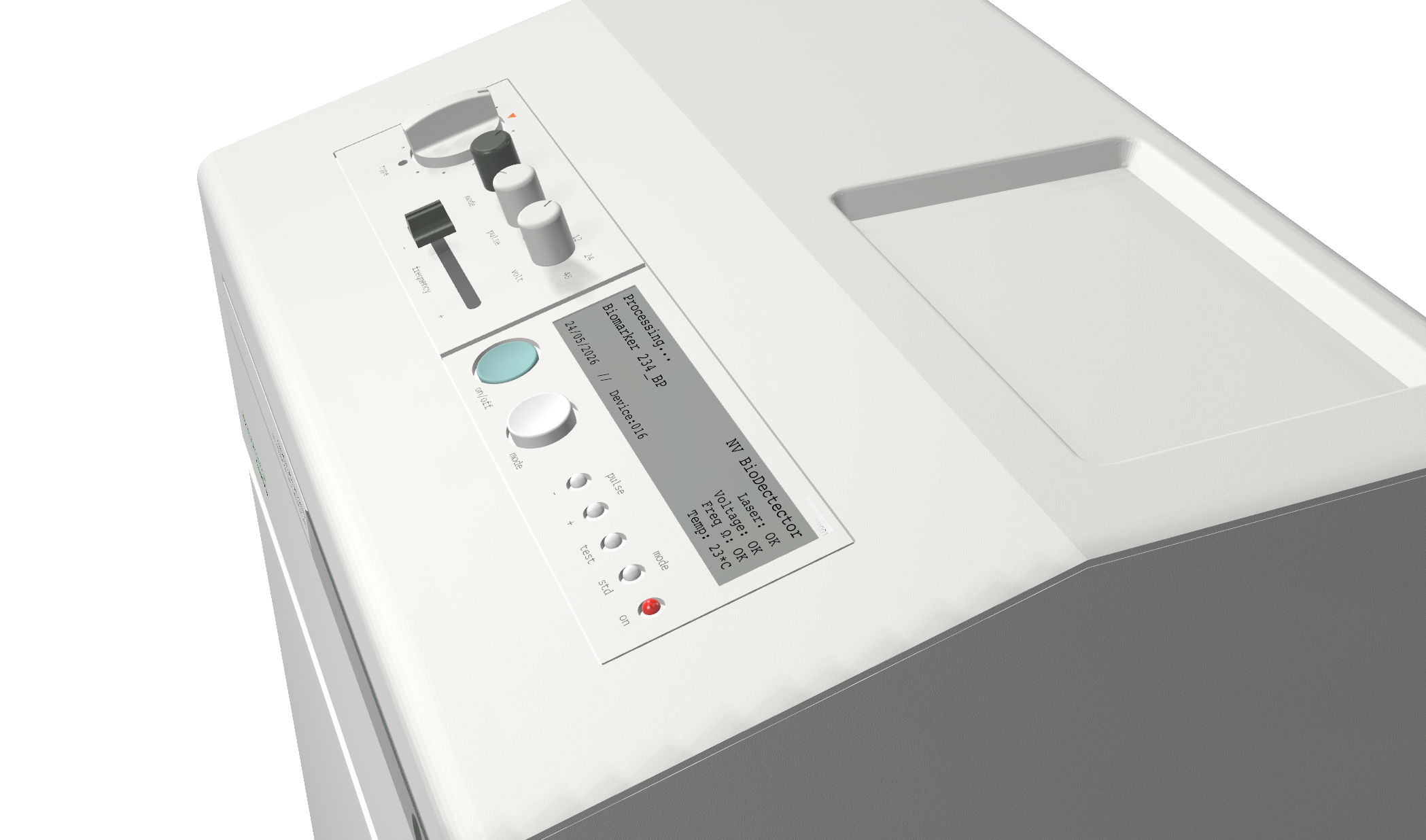
Ergonomic principles were applied throughout: a tilted screen, clear information readout and fast, unobstructed access to samples.
Every component was modelled in Rhinoceros 3D to simulate interferences and positions, optimising overall volume to its minimum, a critical requirement given the integration of heat diffusers, optical fibres with wide bending radii and components requiring absolute immobility. The design was presented to the client through photorealistic renders and simulations developed in coordination between the 3D model and artificial intelligence tools.
Bloopers
- Design: Iván Vidal.
- Final Client: QuaNVia
- Year: 2025-26
- 3D Model and Renders: Rhinoceros 3D + IA (NanoBanana + Affinity)