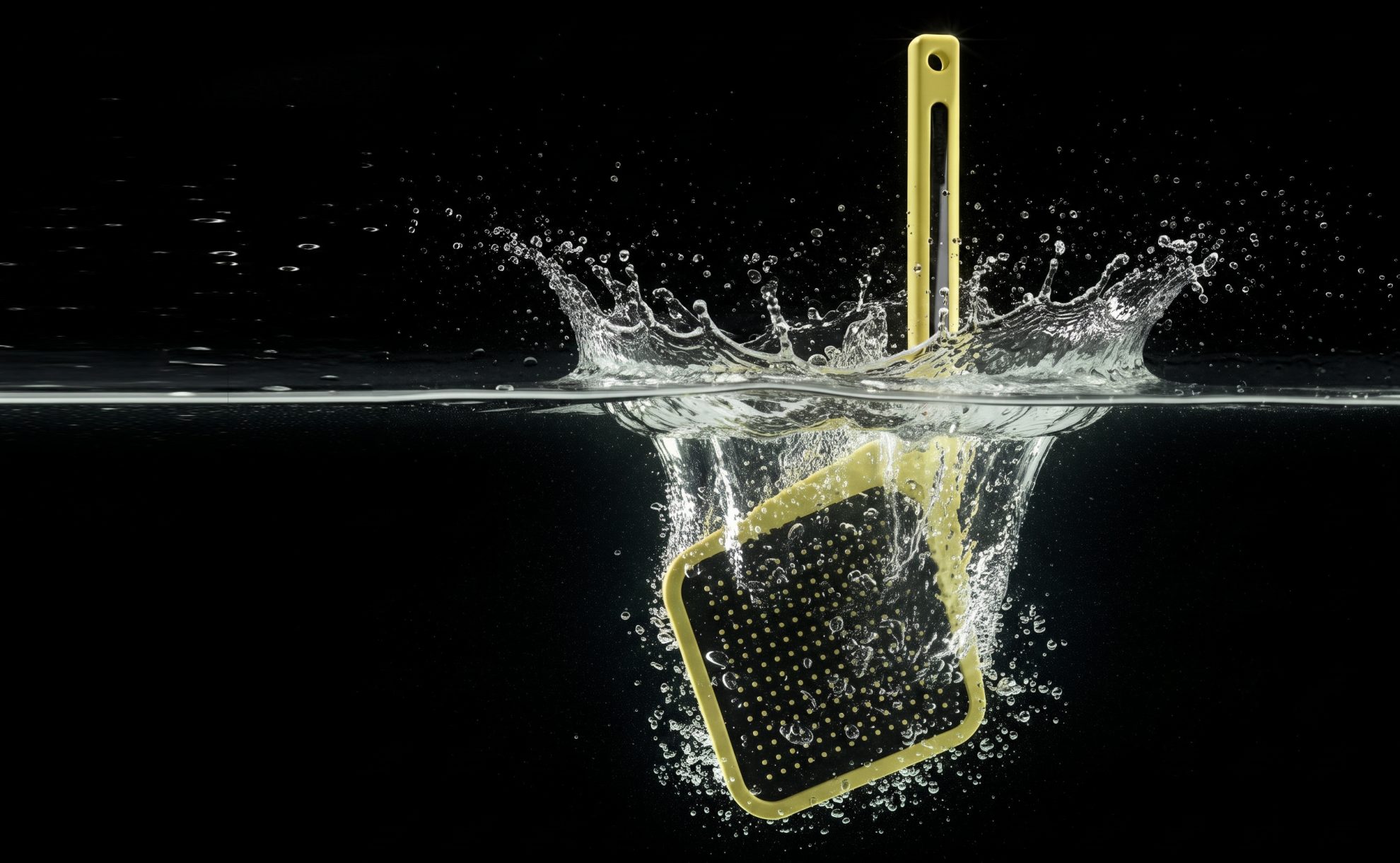
A bioinspired Strainer that transforms with heat
Pelícano is a kitchen conceptual strainer designed around two biological mechanisms observed in the Caribbean brown pelican: Its webbed foot geometry and its heat-responsive gular pouch. The result is a product that collapses flat for storage and expands into a functional strainer only in the presence of hot water.

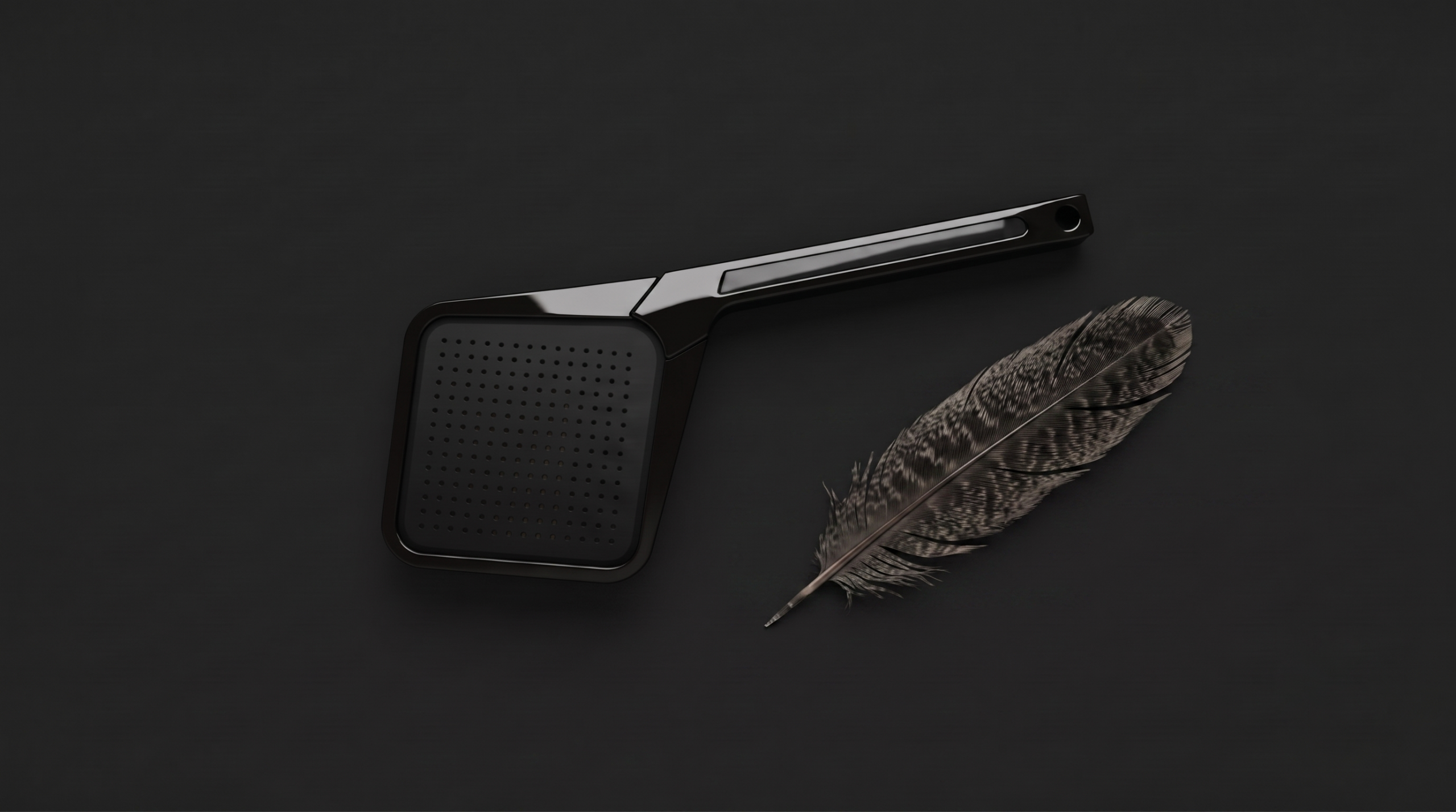
Why it Matters. Conventional strainers are rigid, bulky, and indifferent to storage constraints, a mismatch in most kitchens, where space is limited. Pelícano removes the trade-off between compact storage and functional capacity by letting material behavior, not mechanism, do the work. It’s a single material, single part solution: no hinges, no folding joints, no failure points, just a polymer designed and applied to behave like a living tissue.
© Matt Doggett
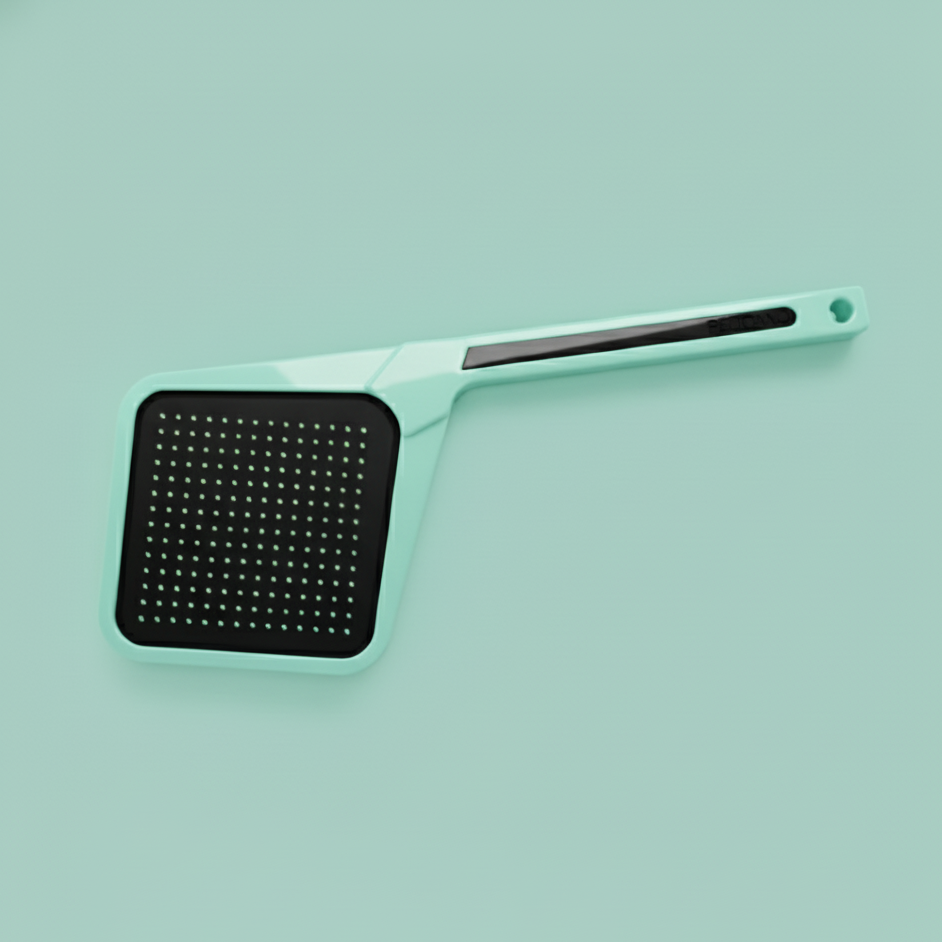
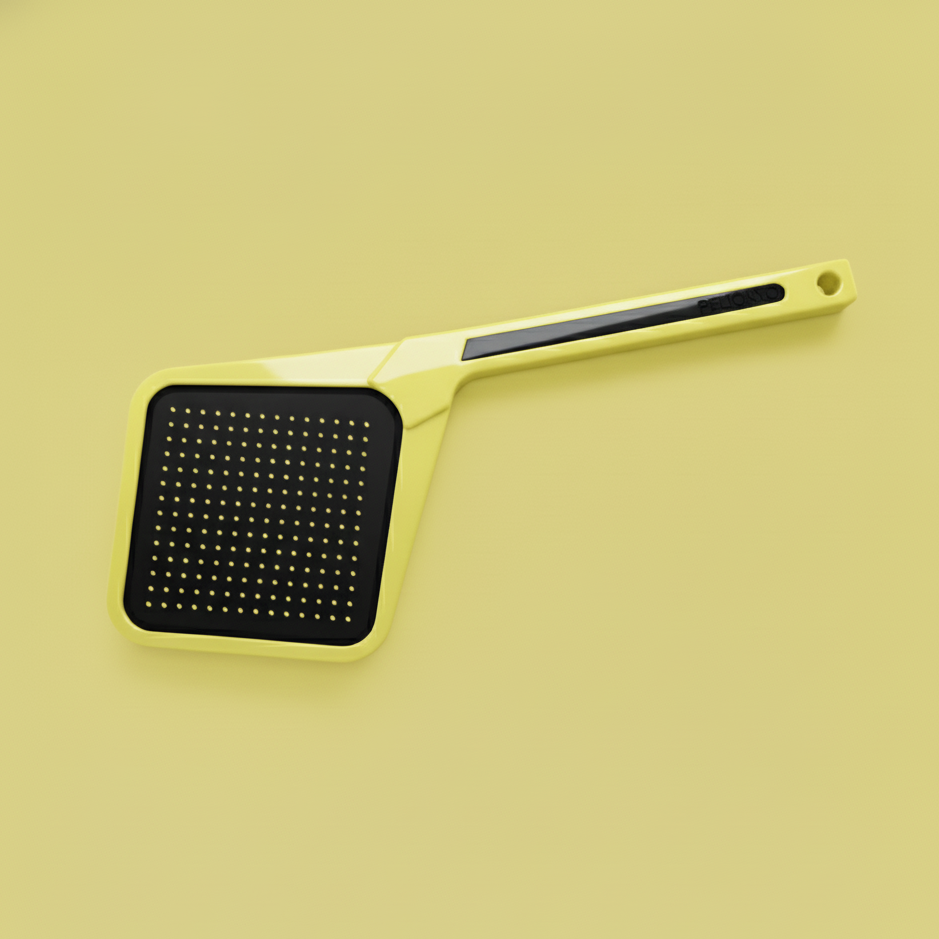
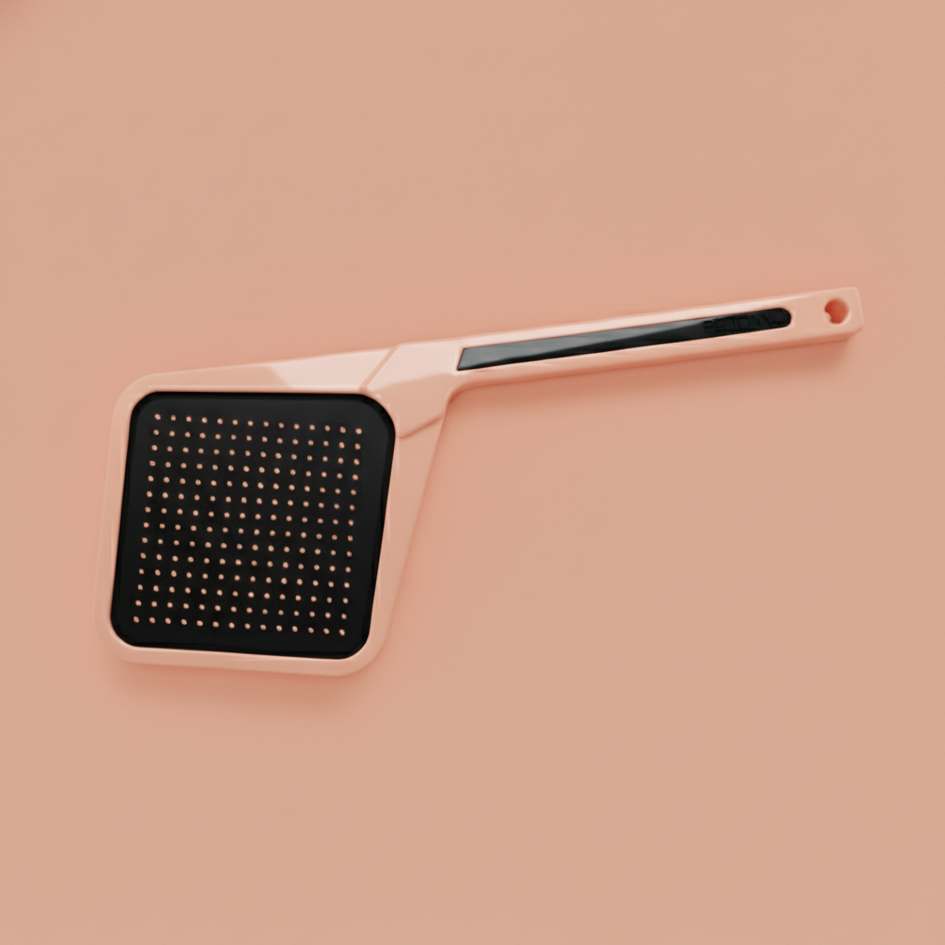
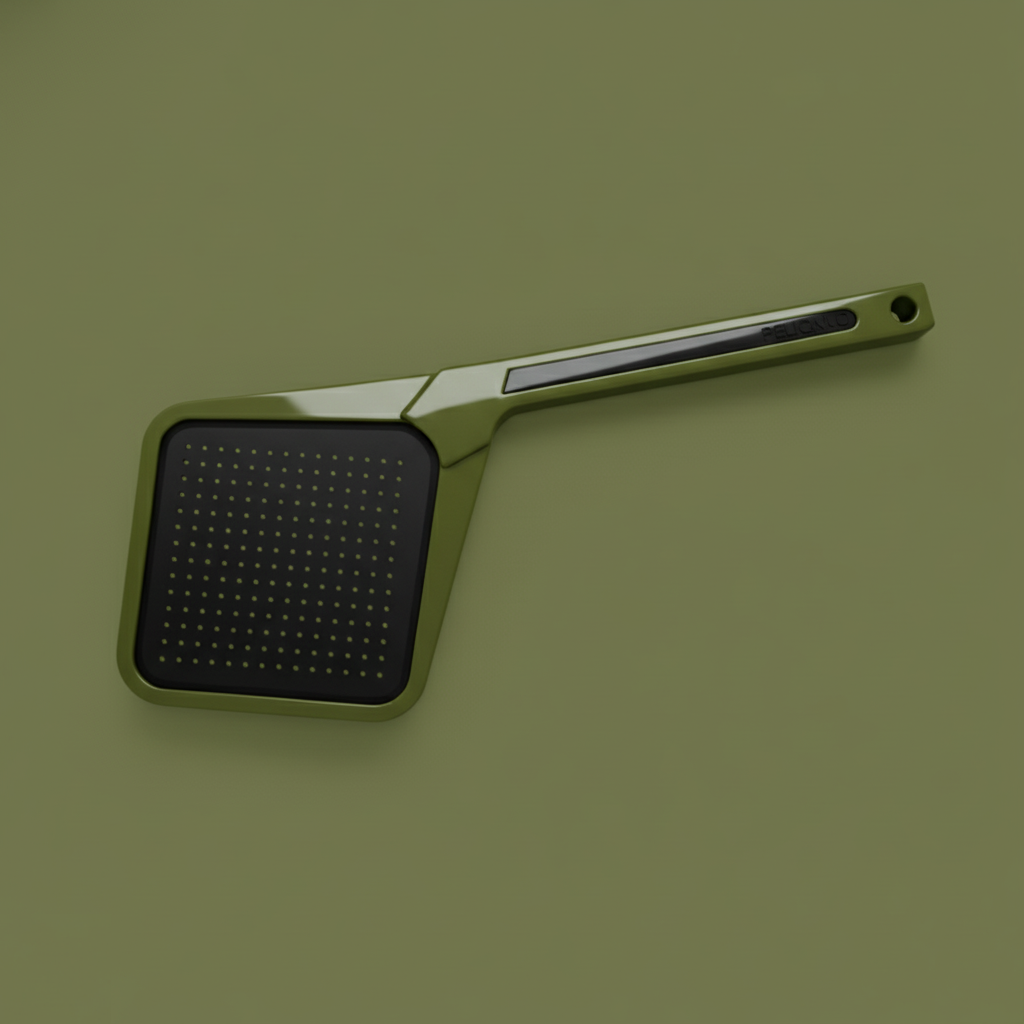
“How could a kitchen tool imitate a natural system?”
Strainers carry a set of unresolved design flaws. In most kitchens, where space is a luxury, a rigid, oversized object is simply inefficient. Pelícano starts from this observation to rethink the tool from the ground up.

Bio-inspiration and design translation

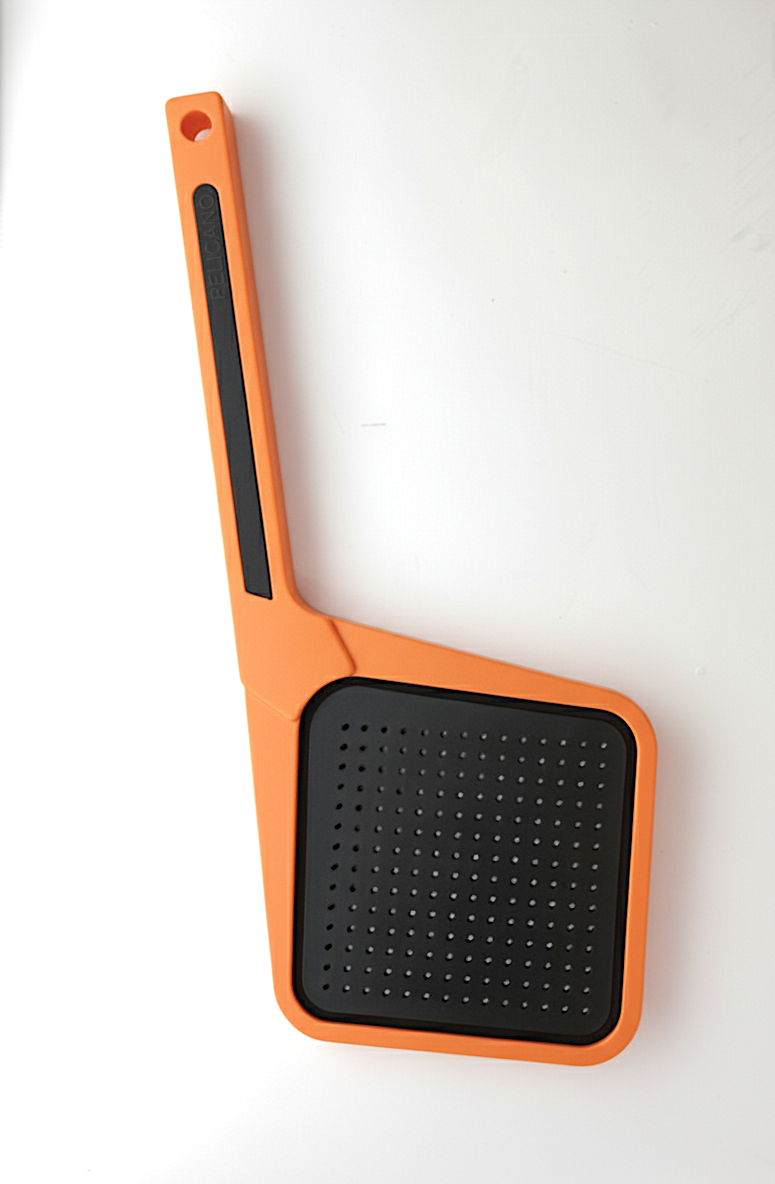
Shape: the pelican’s webbed foot
Asymmetric, curvilinear, multi-directional, built to conform to irregular surfaces without friction.
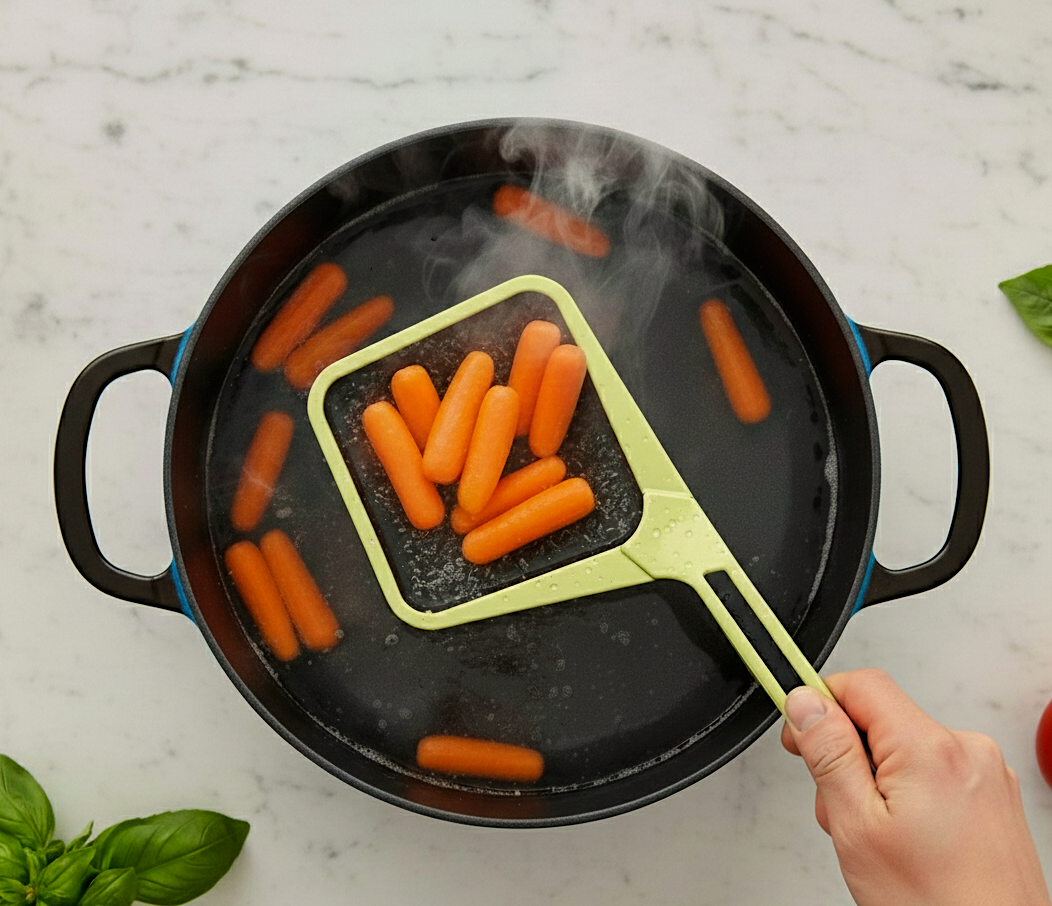
Application: Pelícano replaces the standard bulbous strainer body with an asymmetric curved shell that seats into the base and angle of any pot, enabling one-handed, stable extraction without adjustment.

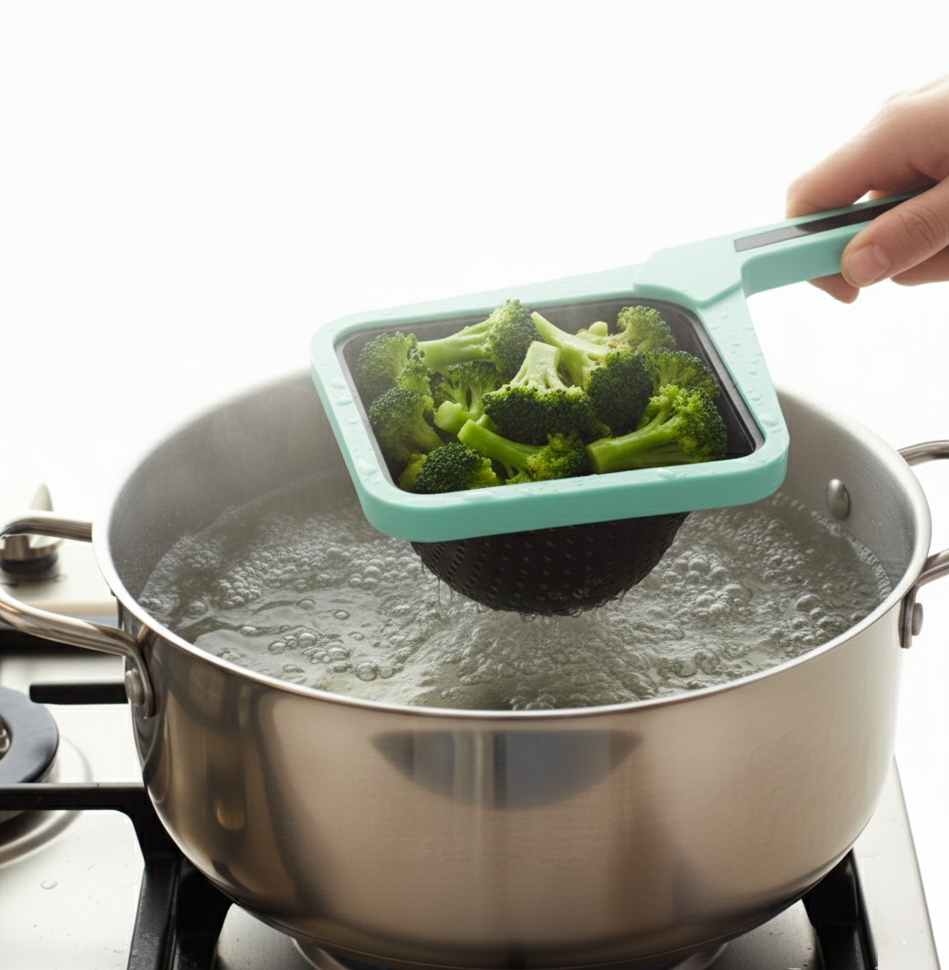
Function: the gular pouch
An elastic membrane with anisotropic fiber structure, expanding over 250% in volume and softening in response to heat.
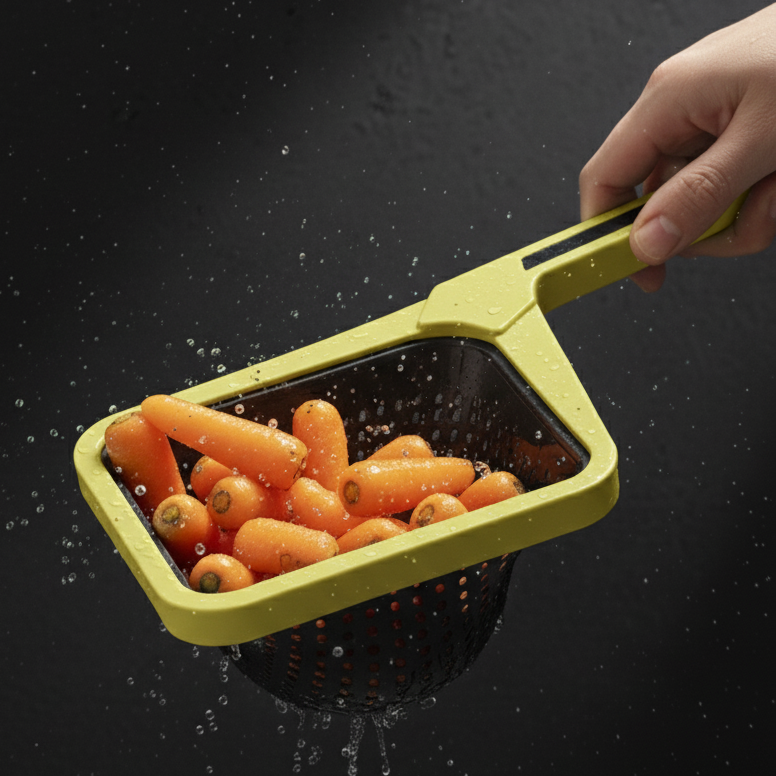
Application: the strainer body is molded from a heat-responsive elastomeric polymer. Cold, it stays flat, taut, and compact. In hot water, it softens and expands into a flexible pouch that holds the food — a reversible transformation triggered by temperature, not mechanical action.
- Design: Iván Vidal.
- Inspiration: Pelícano del Caribe (Pelecanus occidentalis)
- Year: 2016-2018